As the sun shines brighter and temperatures rise, your California landscape enters a crucial phase that demands attention and care.
Summer maintenance tips for landscaping
are essential not only for the aesthetic appeal of your outdoor spaces but also for the health and longevity of your plants. With the unique climate and environmental conditions found across the Golden State, understanding how to effectively manage your garden during these warm months can make all the difference. This article will guide you through the necessary steps to ensure your landscape thrives throughout summer. From watering strategies tailored to California’s varying microclimates to pest control techniques that protect your plants, we’ll cover everything you need to know to keep your garden looking its best. Whether you’re a seasoned gardener or just beginning your landscaping journey, these essential tips will provide you with the knowledge to enhance your home’s curb appeal while promoting a vibrant ecosystem right in your backyard.Prepare to transform your landscape into a flourishing paradise that stands out in your neighborhood!Summer in California brings with it a unique set of challenges and opportunities for homeowners looking to maintain their landscapes. Understanding the climate during the summer months is crucial, as it can significantly impact the health and appearance of your garden. With prolonged periods of heat and occasional drought conditions, proper summer maintenance is essential to ensure a vibrant and healthy landscape that enhances curb appeal and outdoor enjoyment. One of the most critical aspects of summer landscaping maintenance in California is implementing effective watering techniques. Given the state's frequent drought conditions, homeowners should adopt methods that promote water conservation.
Drip irrigation systems are highly recommended as they deliver water directly to the plant roots, minimizing evaporation and runoff. Additionally, watering early in the morning or late in the evening can help reduce water loss due to heat. It is also beneficial to monitor soil moisture levels to avoid overwatering, which can lead to root rot and other issues. The use of mulch is another vital practice for maintaining landscapes during the hot summer months. Applying a layer of mulch around plants helps retain soil moisture, suppress weeds, and regulate soil temperature.
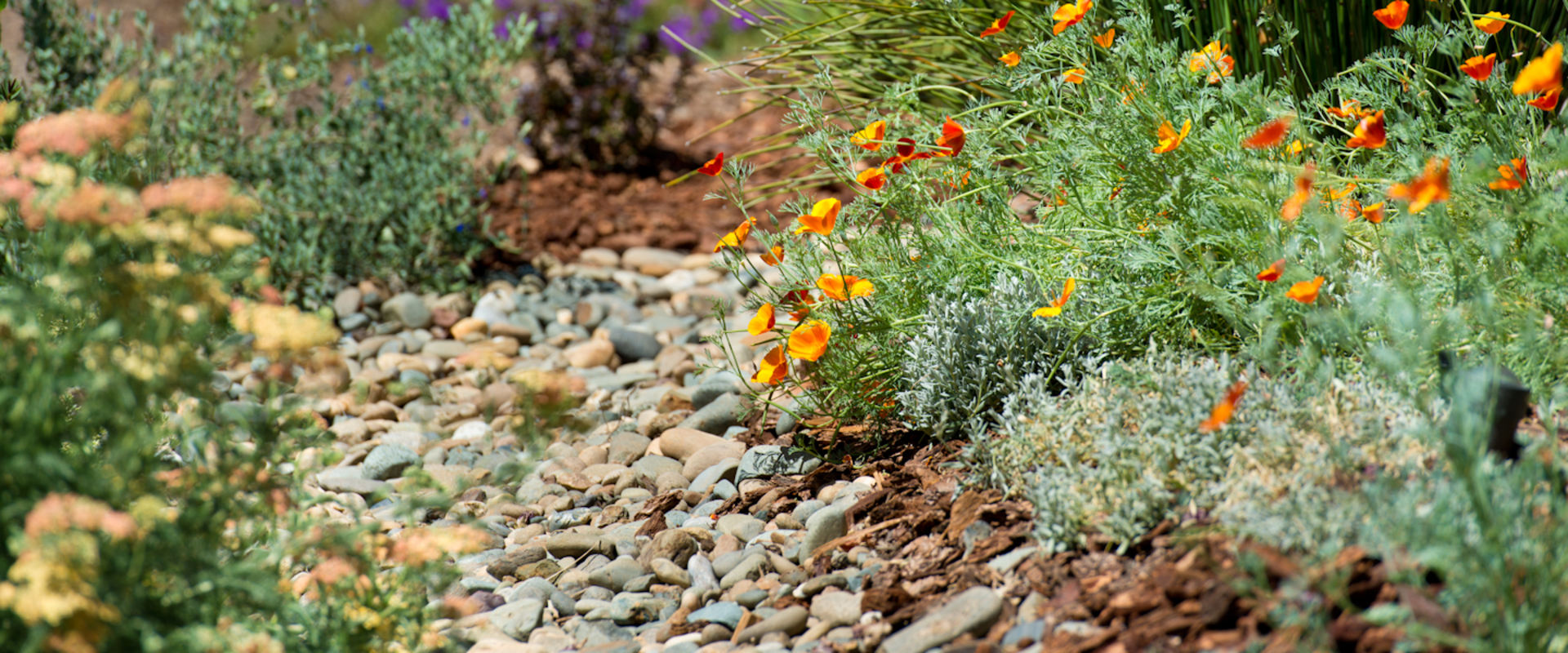
Organic mulches, such as wood chips or straw, not only provide these benefits but also improve soil quality as they decompose. This simple yet effective technique can make a significant difference in reducing the amount of water needed for your landscape. When it comes to plant selection, opting for drought-resistant plantsdrought-resistant plants is a wise choice for California homeowners. Native plants like California poppies, succulents, and lavender are well-adapted to the local climate and require less water than traditional landscaping options. These plants not only thrive in arid conditions but also contribute to the ecological balance by supporting local wildlife such as pollinators. Regular pruning and deadheading are essential practices that promote growth and encourage blooming throughout the summer months.
Pruning helps maintain plant shape, removes dead or diseased branches, and stimulates new growth. Deadheading spent flowers encourages further blooming in many perennials and annuals, ensuring that your garden remains colorful and lively during the peak summer season. Pest management is another critical component of summer landscaping maintenance, especially considering California's diverse ecosystems. Homeowners are encouraged to adopt eco-friendly pest management practices that align with sustainable gardening principles. Utilizing beneficial insects such as ladybugs and lacewings can help control pest populations without resorting to harmful chemicals.
Additionally, introducing companion planting can deter pests naturally while enhancing plant health. Creating comfortable outdoor living spaces is an excellent way to enjoy California's beautiful summer weather. Incorporating Additionally, introducing companion planting can deter pests naturally while enhancing plant health. Creating comfortable outdoor living spaces is an excellent way to enjoy California's beautiful summer weather. Incorporating shade solutions, such as pergolas or shade sails, can provide relief from the intense sun while enhancing the aesthetic appeal of your yard. Thoughtfully arranging outdoor furniture around shaded areas can create inviting spaces for relaxation or entertaining guests. Additionally, incorporating elements like outdoor rugs or cushions can add comfort and style to these areas. In discussing landscaping styles, it's important to recognize potential disagreements between traditional versus modern approaches.
Traditional landscaping often focuses on lush lawns and colorful flowerbeds, while modern landscaping may emphasize native plants, xeriscaping, and sustainable practices. Each approach has its merits; however, California's unique climate lends itself well to modern techniques that prioritize water conservation and ecological balance. Homeowners should consider their personal preferences while also being mindful of environmental impact when designing their landscapes. In conclusion, understanding the specific needs of your California landscape during the summer months is essential for maintaining its vibrancy and health. By implementing effective watering techniques, utilizing mulch, selecting drought-resistant plants, practicing regular pruning, managing pests sustainably, and creating comfortable outdoor spaces, homeowners can enjoy a beautiful landscape that thrives even in challenging conditions.
Embracing modern landscaping techniques can lead to long-term benefits such as improved water conservation and enhanced property value.
Choosing Drought-Resistant Plants
California's unique climate, characterized by hot, dry summers, makes drought-resistant plants an essential choice for any landscape. By selecting native and drought-tolerant species, homeowners can create a thriving garden while conserving water. Popular native plants include the California poppy, which not only showcases vibrant orange blooms but also requires minimal water once established. Another excellent choice is the coastal sagebrush, a hardy shrub that provides excellent ground cover while attracting beneficial pollinators. For those seeking succulents, the Aloe vera and agave varieties are ideal options. These plants store water in their leaves, allowing them to survive the hottest months without frequent watering.Additionally, sedums and echeverias come in various colors and shapes, adding visual interest to your landscape while requiring little maintenance. Incorporating these drought-resistant plants into your California garden not only enhances its beauty but also contributes to a sustainable environment by reducing water usage during the dry summer months.
The Importance of Mulching
Mulching is an essential practice in summer landscape maintenance, especially in California's unique climate. During the hot summer months, maintaining adequate moisture levels in your garden can be a challenge.Mulching
helps retain moisture by forming a protective layer over the soil. This layer reduces evaporation, allowing the soil to stay moist for longer periods, which is crucial for the health of your plants. In addition to moisture retention, mulching plays a vital role in suppressing weeds.Weeds compete with your plants for nutrients and water, but a thick layer of mulch can prevent sunlight from reaching weed seeds, inhibiting their growth. This means less time spent on weeding and more time enjoying your beautiful landscape. Moreover, mulching contributes to improved soil health. As organic mulches break down over time, they enrich the soil with nutrients, promoting healthier plant growth. This natural process enhances the soil structure, increases its ability to retain moisture, and supports beneficial microorganisms that are essential for a thriving garden. In conclusion, incorporating mulching into your summer maintenance routine is a simple yet effective way to ensure your California landscape remains vibrant and healthy throughout the season.
Pruning and Plant Care Techniques
Pruning is a vital aspect of summer maintenance for your California landscape.During the summer months, the unique climate can lead to vigorous growth in many plants, making it essential to manage their shape and health. Proper pruning methods not only encourage healthy growth but also enhance the overall aesthetics of your garden. Start by assessing which plants require pruning. Focus on removing any dead or diseased branches, as these can hinder the plant's health and attract pests. For flowering plants, prune right after they bloom to promote further growth and prevent overcrowding.
This technique allows sunlight to reach more leaves, which is crucial in California’s sunny climate. When using pruning shears, make clean cuts at a 45-degree angle just above a leaf node or bud. This technique helps prevent water from collecting on the cut surface, reducing the risk of disease. Additionally, be mindful of the plant’s natural shape. Avoid excessive cutting that could stress the plant; instead, aim for a balanced appearance that encourages healthy branching. Incorporating regular plant care techniques such as proper watering and mulching will complement your pruning efforts.
Ensure that your plants receive adequate moisture, especially during heat waves. Mulching helps retain soil moisture and suppress weeds, allowing your pruned plants to thrive during the hot summer months. By mastering these pruning and plant care techniques, you can maintain a vibrant landscape that not only looks beautiful but is also resilient against California’s summer challenges.
Pest Control Strategies
As the summer heat intensifies in California, gardens can become a haven for various pests. Implementing environmentally friendly pest control strategies is essential for maintaining a healthy landscape while also protecting the local ecosystem. Here are several effective options tailored specifically for California gardens. Firstly, consider introducing beneficial insects into your garden.Ladybugs, lacewings, and parasitic wasps can naturally control pest populations by preying on aphids, caterpillars, and other harmful insects. By creating a balanced ecosystem, you can reduce the need for chemical pesticides. Another strategy is to use organic repellents. Products containing neem oil or insecticidal soap can deter pests without harming beneficial insects. These natural solutions are less toxic and break down more quickly in the environment, making them an excellent choice for conscientious gardeners. Additionally, employing companion planting can enhance your garden's resilience against pests.
Certain plants, like marigolds and basil, naturally repel specific insects. By strategically placing these companions among your primary plants, you can create a more pest-resistant garden. Lastly, maintaining proper garden hygiene is crucial. Regularly removing debris, dead leaves, and overripe fruits can eliminate breeding grounds for pests. Keeping your garden tidy not only deters infestations but also promotes healthier plant growth. By utilizing these environmentally friendly pest control strategies, California homeowners can enjoy a vibrant and thriving landscape throughout the summer while contributing to the health of their local environment.
Creating Inviting Outdoor Spaces
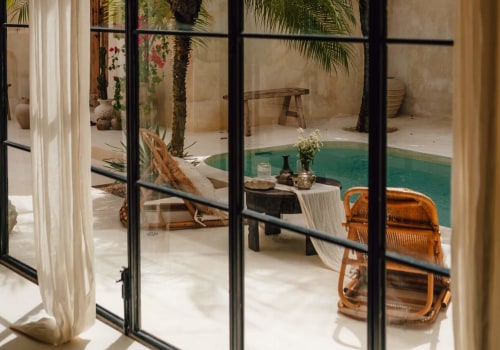
Designing functional outdoor living areas is essential for enhancing the value of your property while also increasing your enjoyment of your California landscape.With the warm summer months, creating inviting spaces where you can relax, entertain, and enjoy the beauty of your surroundings is a priority. Start by considering the layout of your outdoor space. Define areas for dining, lounging, and gardening. A well-planned outdoor kitchen or dining area, equipped with a grill and comfortable seating, can serve as a focal point for gatherings with family and friends. Incorporate features like a pergola or shade sails to provide relief from the sun, making these spaces usable even during peak heat. Next, think about landscaping elements that can enhance these areas.
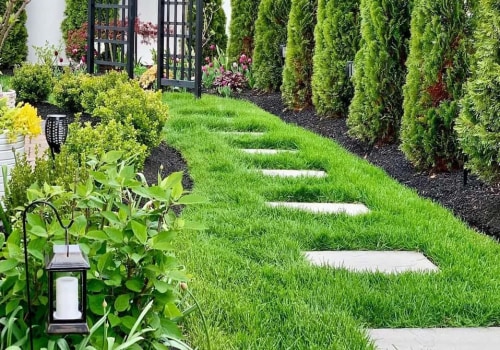
Incorporate native plants that thrive in the California climate and require minimal maintenance. These plants not only add aesthetic value but also support local wildlife. Use decorative pots or raised beds to create visually appealing garden spaces that frame your outdoor living areas. Add functional features such as pathways made of natural stone or pavers to connect different zones within your landscape. These pathways not only guide guests through your yard but also contribute to a cohesive design.
Consider adding lighting elements like string lights or solar path lights to create an inviting atmosphere in the evenings. Lastly, don’t forget about the importance of comfortable furniture. Invest in quality outdoor furniture that can withstand the elements while providing comfort. Arrange seating to promote conversation and relaxation, ensuring that your outdoor spaces are as inviting as your indoor ones. By focusing on these aspects of outdoor design, you can create functional living areas that enhance your California landscape, increase property value, and provide a perfect setting for summer enjoyment.
Watering Wisely in Drought Conditions
California's summer months can bring extreme heat and drought conditions, making it essential to adopt effective watering practices. By understanding how to water wisely, you can keep your landscape thriving while also conserving this vital resource. First, consider the time of day you water your plants.The best times are early in the morning or late in the evening when temperatures are cooler. This reduces evaporation and allows plants to absorb more moisture. Watering during these hours can significantly enhance your landscaping efforts. Next, focus on deep watering techniques. Instead of frequent shallow watering, aim to water deeply but less often.
This encourages roots to grow deeper into the soil, making them more resilient to heat and drought. A good rule of thumb is to water once a week, ensuring that moisture penetrates at least 6-12 inches into the soil. Utilizing mulch is another effective strategy for conserving moisture. Apply a layer of organic mulch around your plants, which helps retain soil moisture and regulates temperature. This not only reduces the need for frequent watering but also suppresses weeds that compete for water. Additionally, invest in a drip irrigation system or soaker hoses.
These methods deliver water directly to the root zone, minimizing waste and ensuring that your plants receive the necessary hydration without excess runoff. They are particularly effective for garden beds and flower borders. Lastly, be mindful of your plant choices. Opt for native and drought-tolerant plants that require less water and are better adapted to California's summer climate. By selecting the right plants, you can create a beautiful landscape that thrives even in dry conditions. By implementing these best practices for watering during California's hot summer months, you can maintain a vibrant landscape while being responsible with water usage, ultimately contributing to long-term sustainability and enhancing your property's value. In conclusion, maintaining your landscape during the hot California summer is crucial for ensuring its health and vibrancy.
By watering wisely in drought conditions, you can conserve water while keeping your plants hydrated. Additionally, choosing drought-resistant plants not only saves water but also enhances your landscape's resilience. The practice of mulching plays a significant role in moisture retention and weed control, which is essential during the dry months. Furthermore, regular pruning and plant care techniques help to promote growth and prevent diseases, while effective pest control strategies protect your plants from harmful insects. Finally, creating inviting outdoor spaces allows you to enjoy your landscape to the fullest, making your home a more pleasant place during the summer. By implementing these essential tips, you will not only improve your home's outdoor environment but also increase its curb appeal and overall enjoyment throughout the summer months.
Start today to reap the long-term benefits of a well-maintained landscape!.