In today's world, where energy costs are on the rise and environmental concerns are at the forefront of our minds, finding effective solutions for energy efficiency has never been more critical. One of the most impactful yet often overlooked aspects of creating an energy-efficient home is the selection of the right insulation types. Whether you are renovating an older property or building a new one, understanding the various types of insulation for energy efficiency can significantly influence your home's comfort, energy consumption, and overall sustainability. This article, titled Maximizing Energy Efficiency with Insulation Choices, will delve into the diverse array of insulation options available, helping you make informed decisions that align with your energy-saving goals. From traditional materials to innovative solutions, we will explore how each type contributes to minimizing heat loss in winter and keeping your home cool in summer, ultimately leading to reduced energy bills and a smaller carbon footprint. Join us as we uncover the essential factors to consider when choosing insulation, the benefits of each type, and how these choices play a pivotal role in enhancing your home's energy performance.
With the right information at your fingertips, you can transform your living space into an energy-efficient haven that meets both your comfort needs and environmental responsibilities. Insulation plays a crucial role in achieving energy efficiency, particularly in regions like California where climate conditions can vary significantly. Homeowners looking to improve their living spaces can benefit immensely from understanding the various types of insulation available, each with unique advantages and disadvantages. One of the most common forms of insulation is fiberglass. This material consists of tiny glass fibers and is widely used due to its affordability and effectiveness. Fiberglass insulation is available in batts, rolls, and loose-fill forms, making it versatile for different applications such as walls, attics, and crawl spaces.
Its main advantage is that it has a good thermal resistance rating (R-value) while being relatively easy to install for DIY enthusiasts. However, fiberglass can lose its effectiveness if it becomes wet, and it may not be the best choice in areas prone to moisture.
Foam board
insulation offers another excellent option, particularly for exterior walls and foundation applications. Made from rigid polystyrene or polyisocyanurate, foam board provides high insulating values with minimal thickness. This type of insulation is resistant to moisture and can be an effective barrier against thermal bridging.Its drawback, however, is that it can be more expensive than fiberglass and may require professional installation to ensure proper sealing and performance.
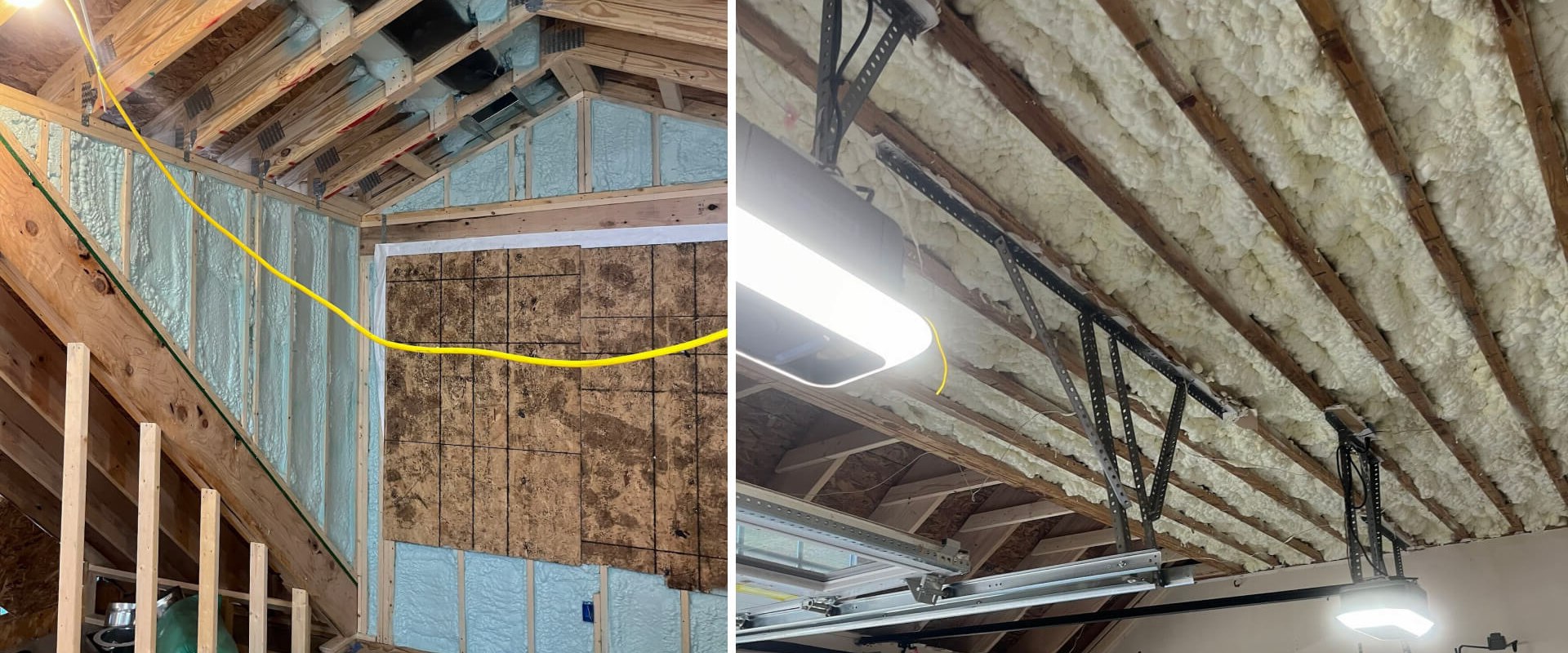
Spray foam
insulation is a popular choice for those seeking a high-performance option. It expands on application, filling gaps and creating an air-tight seal that significantly reduces energy loss. Spray foam has a high R-value per inch and is particularly effective in irregular spaces such as around pipes or wiring. However, it tends to be one of the pricier insulation options and often requires professional installation due to the specialized equipment needed.Additionally, some spray foams can emit volatile organic compounds (VOCs), so selecting low-VOC options is essential for indoor air quality.
Cellulose
insulation is made from recycled paper products and is an environmentally friendly choice for homeowners concerned about sustainability. Cellulose is treated with fire retardants and can be blown into walls or attics, providing excellent coverage and thermal resistance. Its cost is generally competitive with fiberglass, but it may settle over time, potentially reducing its effectiveness unless properly installed. It’s particularly suited for retrofitting existing homes because it can easily fill cavities without requiring major renovations. Finally, radiant barriers are unique in their approach to insulation.Unlike traditional materials that resist heat flow, radiant barriers reflect radiant heat away from living spaces. They are most effective in hot climates like California's when installed in attics to reduce cooling costs during summer months. While radiant barriers do not provide insulation in the traditional sense, they work well in conjunction with other types of insulation to improve overall energy efficiency. The drawback is that they are not suitable for use in colder climates where heat retention is necessary. When selecting the right insulation for your home improvement goals, consider factors such as your local climate, the specific area you plan to insulate (attic, walls, or crawl spaces), and your budget.
In California, where energy efficiency regulations are becoming increasingly stringent, consulting with local contractors who specialize in insulation installation can provide valuable insights tailored to your home’s needs. Services such as Energy Upgrade California offer resources and contractor referrals to help homeowners make informed decisions regarding insulation and other energy-efficient home improvements.By understanding the benefits and drawbacks of each type of insulation, homeowners can make educated choices that not only enhance comfort but also lead to significant savings on energy bills while contributing positively to the environment.
DIY vs. Professional Installation
When considering insulation options, homeowners often face the decision of whether to take a DIY approach or hire professionals for installation. This choice can significantly impact not only the effectiveness of the insulation but also the overall energy efficiency of the home. A DIY installation might be suitable for those who are handy and have experience with home improvement projects.Simple insulation types, such as rolls or batts, can often be installed without extensive knowledge or special tools. Homeowners who choose this route can save on labor costs and have greater control over the materials used. However, it is essential to ensure that the insulation is installed correctly to avoid gaps that can lead to energy loss. On the other hand, hiring professionals can be advantageous, especially for more complex insulation types like spray foam or blown-in insulation. Professionals bring expertise and specialized equipment that can ensure a thorough and effective installation.
This is particularly important in areas with unique climate considerations, such as California, where improper installation can lead to inefficiencies and increased energy costs. In summary, homeowners should weigh their skills and the complexity of the project when deciding between DIY and professional installation. While DIY can be a cost-effective solution for simple tasks, hiring a professional may provide peace of mind and long-term savings in energy efficiency.
Local Resources for Insulation Projects
When considering insulation upgrades for your home, it’s essential to leverage local resources that can provide expert advice and quality materials. California, with its diverse climate zones, requires tailored insulation solutions that meet both energy efficiency standards and local building codes. Start by searching for local contractors who specialize in insulation. Websites like Yelp or Angie's List can provide reviews and ratings for contractors in your area.Additionally, the California Energy Commission offers a directory of certified contractors who are knowledgeable about the latest energy efficiency practices and can guide you in selecting the right insulation type for your home. For purchasing insulation materials, consider visiting local home improvement stores such as Home Depot or Lowe's, which often carry a wide variety of insulation options including fiberglass, foam board, and spray foam. Additionally, local lumberyards may offer competitive pricing on bulk purchases of insulation materials. For those interested in more sustainable options, check out local suppliers that specialize in eco-friendly insulation products. These suppliers often provide materials made from recycled or natural substances that can help reduce your environmental footprint while improving energy efficiency. Lastly, engage with community resources such as local government programs that offer rebates or incentives for energy-efficient home improvements. These programs can provide financial assistance or guidance on the best practices for insulation projects in your area.
Cost-Effectiveness and Energy Savings
When considering types of insulation for energy efficiency, one of the most significant factors homeowners need to evaluate is the cost-effectiveness of each option.Different insulation materials offer varying levels of thermal resistance, which directly impacts their long-term savings potential on energy bills. For instance, fiberglass insulation is one of the most commonly used types due to its relatively low cost and good performance. It typically has a decent R-value, meaning it effectively resists heat flow. Homeowners can expect to see a return on investment within a few years, as this type of insulation can lead to noticeable reductions in heating and cooling costs. On the other hand, spray foam insulation, while more expensive upfront, offers superior air sealing and higher R-values compared to fiberglass. This means that although the initial investment might be greater, the potential for energy savings is also higher.
Over time, homeowners may find that their energy bills decrease significantly, compensating for the higher installation costs.
Cellulose insulation
, made from recycled paper products, is another cost-effective option that provides excellent thermal performance. It not only offers energy savings but also contributes to sustainability efforts, making it an attractive choice for environmentally-conscious homeowners. The long-term savings from reduced energy consumption can make cellulose a viable contender in the insulation choice arena. When evaluating insulation types, it’s essential to consider both the initial investment and the anticipated energy savings over time. Homeowners should conduct a thorough analysis of their specific situation, including their local climate conditions in California and existing home features, to determine which insulation option will yield the best return on investment in terms of energy efficiency and overall comfort.Understanding Different Types of Insulation
When it comes to enhancing energy efficiency in homes, understanding the various types of insulation is crucial.Different insulation materials have unique properties that make them suitable for specific applications. Below, we delve into the main types of insulation, their characteristics, and when to use them.
Fiberglass Insulation
: This is one of the most common types of insulation found in homes. Made from tiny glass fibers, it is available in batts, rolls, or loose-fill forms. Fiberglass has excellent thermal resistance and is non-combustible.It is ideal for attics, walls, and floors due to its ability to resist moisture and mold growth.
Foam Board Insulation
: Composed of rigid foam panels, this type offers high insulating value for relatively little thickness. Foam board insulation is perfect for basement walls, exterior walls, and even under roofing systems. Its high R-value per inch makes it an excellent choice for energy efficiency.Spray Foam Insulation
: This innovative material expands upon application, filling gaps and cracks effectively. Spray foam provides an airtight seal that significantly reduces air leakage.It is particularly beneficial in irregular spaces such as around ducts and pipes. However, it requires professional installation due to its complex application process.
Cellulose Insulation
: Made from recycled paper products, cellulose insulation is a sustainable choice that offers good thermal performance. It is typically blown into attics and wall cavities and provides excellent coverage in hard-to-reach areas. Cellulose is also treated with fire retardants, making it a safe option for homeowners.Mineral Wool Insulation
: Also known as rock wool, this type is made from natural or recycled materials and offers excellent soundproofing qualities along with thermal resistance.Mineral wool is fire-resistant and can be used in various areas of the home, including walls and ceilings. In conclusion, selecting the right type of insulation depends on the specific needs of your home and climate. Each type plays a significant role in maximizing energy efficiency and ensuring comfort throughout the year. In conclusion, selecting the right types of insulation for energy efficiency is crucial for homeowners, particularly in a climate like California's where temperature fluctuations can impact energy consumption. We discussed various insulation materials and their unique benefits, emphasizing that the right choice can lead to significant cost savings on energy bills while enhancing overall comfort within the home. Additionally, understanding the balance between cost-effectiveness and energy savings is vital when considering upgrades. Whether opting for a DIY approach or hiring professionals, knowing your options empowers you to make informed decisions that align with your home improvement goals. We encourage readers to assess their home's current insulation status and explore potential upgrades as part of their commitment to energy efficiency and sustainability.
By investing in quality insulation solutions, you not only enhance your living environment but also contribute to broader energy conservation efforts.