As California continues to face the challenges of drought and water scarcity, homeowners are increasingly seeking innovative solutions to maintain beautiful outdoor spaces without straining precious water resources.
Designing a low-water landscape
is not just an environmentally responsible choice; it’s also an opportunity to create a stunning, sustainable garden that thrives in the Golden State's unique climate. Imagine stepping into your yard and being greeted by a vibrant tapestry of colors and textures, all while knowing that your landscaping choices are contributing to the preservation of California's natural resources. Whether you're looking to revamp your existing garden or starting from scratch, transforming your California home with low-water landscaping can be both rewarding and aesthetically pleasing. This article will guide you through the essential principles of low-water landscape design, offering practical tips and inspiration for creating a drought-resistant oasis in your own backyard. From selecting the right plants to incorporating smart irrigation practices, each step of the process is designed to help you cultivate a thriving, eco-friendly environment that requires minimal water. Join us on this journey towards a more sustainable lifestyle as we explore the myriad benefits of low-water landscaping.Discover how you can enhance your home’s curb appeal while playing a vital role in conserving water for future generations. Let's dive into the world of drought-tolerant gardens and unlock the secrets to designing a landscape that is as beautiful as it is responsible. In California, where drought conditions are increasingly prevalent, designing a low-water landscape is not just a trend but a necessity. The importance of selecting native and drought-resistant plants cannot be overstated, as these plants are adapted to thrive in the state’s unique climate. By choosing plants that have evolved to withstand periods of low rainfall, homeowners can create beautiful landscapes that require minimal water and maintenance. Some popular choices for low-water landscaping include succulents, which store water in their leaves and come in a variety of shapes and colors.
Another excellent option is the California poppy, the state flower, known for its vibrant orange blooms that attract pollinators and thrive in dry conditions. Additionally, lavender not only adds a lovely fragrance to the garden but also serves as a resilient plant that requires little water once established. Proper soil preparation is crucial for supporting water retention and promoting plant health in a low-water landscape. Amending the soil with organic matter such as compost can improve its structure, allowing it to hold moisture more effectively. Incorporating mulch around plants helps to reduce evaporation and keep the roots cool, further enhancing water conservation. In addition to plant selection, hardscaping elements play a significant role in reducing water use while enhancing the aesthetic appeal of outdoor spaces.
Installing gravel paths, patios, and retaining walls can help manage drainage and prevent erosion. These features not only create visually appealing designs but also contribute to a more sustainable landscape by minimizing the need for extensive irrigation. When designing functional outdoor spaces, consider integrating seating areas, fire pits, or even vegetable gardens within your low-water landscape. By creating zones for relaxation or entertaining, homeowners can fully utilize their outdoor space while maintaining a commitment to water conservation. For example, positioning a fire pit surrounded by drought-resistant seating allows for cozy gatherings without compromising on sustainability. Irrigation systems also play a pivotal role in maintaining low-water landscapes.
Options such as drip irrigation systems deliver water directly to the roots of plants, ensuring efficiency and reducing waste compared to traditional watering methods. Furthermore, implementing a rainwater harvesting system can provide an eco-friendly way to capture and use rainwater for irrigation, making it an excellent choice for environmentally conscious homeowners. For those looking to implement these ideas, local resources are available to assist with finding contractors or DIY tools specific to California's landscaping needs. Visiting local nurseries can provide insights into which plants are best suited for your area, while community workshops often offer valuable tips on sustainable landscaping practices. As the seasons change, it’s essential to consider ongoing maintenance to keep your low-water landscape thriving. Regularly checking soil moisture levels, pruning plants when necessary, and applying mulch annually can help maintain the health of your garden.
With proper care and attention, your low-water landscape can flourish year-round, providing beauty and sustainability in harmony with California's climate.
Choosing the Right Plants for Drought Resistance
When it comes to drought-resistant landscaping, selecting the appropriate plants is crucial for creating an aesthetically pleasing and sustainable garden. In California, where water conservation is essential, choosing native plants can significantly reduce your watering needs while enhancing the beauty of your landscape.Native plants
are well-adapted to the local climate and soil conditions, which means they require less water and maintenance compared to non-native species. By incorporating these plants into your landscape, you not only save water but also support local wildlife and promote biodiversity. Some excellent options for drought-resistant landscaping include California poppies, lavender, and succulents. These plants not only thrive in arid conditions but also add vibrant colors and textures to your garden.Additionally, consider using a mix of perennial and annual native plants to create a dynamic garden that blooms throughout the seasons. Incorporating drought-resistant plants into your landscape design is not just about conserving water; it’s also about creating a space that is harmonious with the local environment. By choosing plants that are naturally suited to your area, you can create a stunning garden that flourishes with minimal effort.
Creating Functional Outdoor Spaces
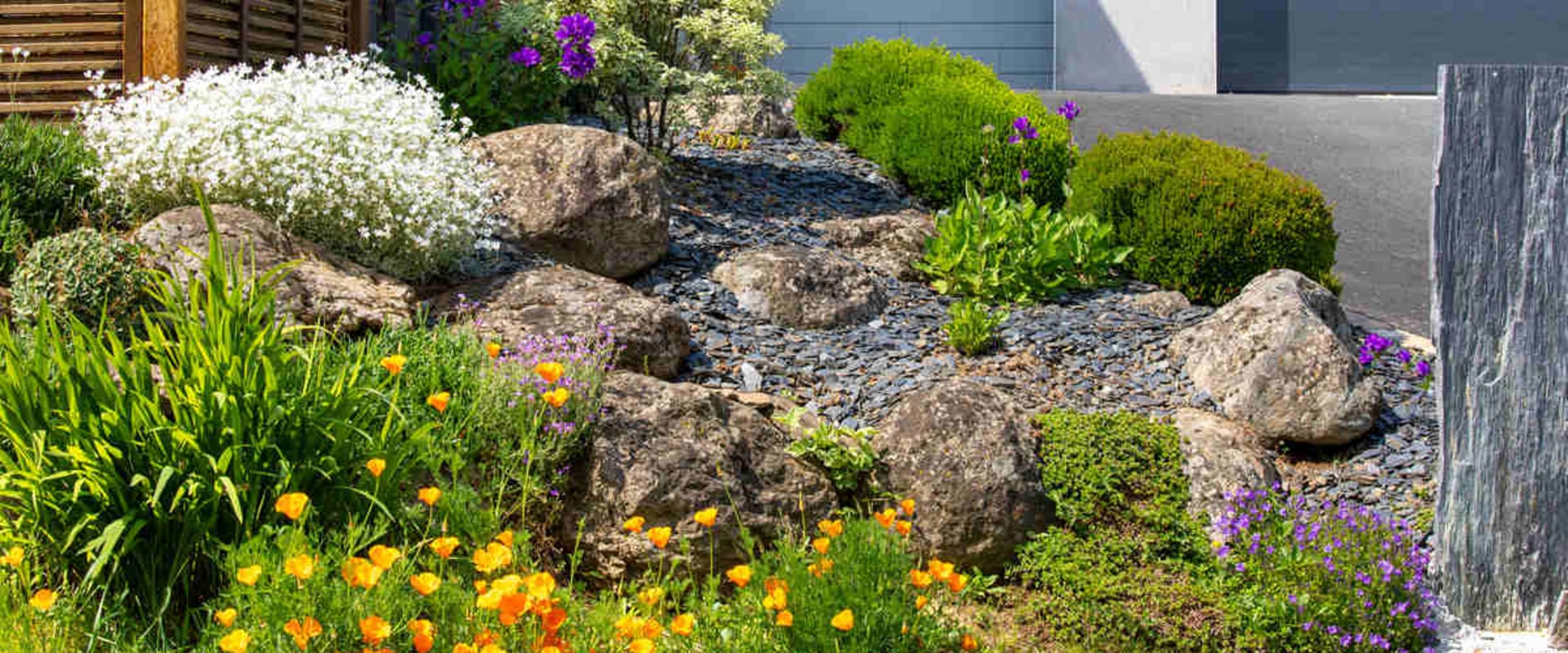
Designing a functional outdoor space that complements low-water landscaping is essential for maximizing the beauty and usability of your California home. By integrating drought-resistant plants with thoughtful design, you can create areas that are both aesthetically pleasing and environmentally friendly. Start by defining distinct zones within your outdoor area. Consider incorporating a patio or deck as a central gathering space, using materials that are durable and require minimal maintenance.Surround this area with drought-tolerant plants, such as succulents and native California species, which will thrive with little water and add vibrant color throughout the seasons. Incorporate pathways made from permeable materials like decomposed granite or permeable pavers to enhance accessibility while allowing rainwater to infiltrate the ground. These pathways can lead to various functional spaces, such as outdoor dining areas, fire pits, or quiet nooks for relaxation. The key is to create a flow that encourages movement and exploration within your low-water landscape. Consider adding features such as a xeriscape garden, which not only reduces water usage but also provides a visually striking focal point. Use boulders, gravel, and decorative stones to create texture and interest in these areas.
Additionally, incorporating raised garden beds with drought-resistant plants allows for easy maintenance and can serve as an engaging space for gardening enthusiasts. Lighting is also an important aspect of designing functional outdoor spaces. Incorporate solar-powered lights along pathways and around seating areas to enhance safety and highlight the beauty of your low-water landscaping at night. By thoughtfully designing your outdoor spaces with functionality in mind, you can enjoy the benefits of drought-resistant landscaping while creating inviting areas for relaxation and socializing.
Local Resources for Your Landscaping Project
When embarking on the journey of Designing a low-water landscape, it's essential to leverage local resources that can support your project. California offers a variety of options for homeowners looking to create beautiful, sustainable outdoor spaces while conserving water. Start by exploring local contractors who specialize in drought-resistant landscaping. Many of these professionals are experienced in native plant selection and water-efficient design principles.Websites like the California Landscape Contractors Association (CLCA) can help you find licensed contractors in your area, ensuring that you receive quality service tailored to the unique climate of California. In addition to contractors, local nurseries are invaluable resources for sourcing drought-tolerant plants. Visiting nurseries that focus on native species can provide you with a wealth of knowledge about which plants thrive in your specific region. Many nurseries also offer workshops and classes on sustainable landscaping practices, giving you the chance to learn from experts. If you prefer a hands-on approach, consider utilizing DIY resources available online and within your community. Websites such as the California Native Plant Society provide guides and tips for selecting and maintaining low-water plants.
Additionally, community gardening groups often host events or classes on low-water landscaping, allowing you to connect with fellow enthusiasts and gain practical insights. Lastly, don't overlook local government resources. Many California cities and counties have programs dedicated to promoting water conservation through landscaping. These programs may offer rebates for using drought-resistant plants or even free consultations with landscape professionals. Check your local water district's website for more information on what is available in your area.
Effective Hardscaping Techniques
When considering designing a low-water landscape, it's essential to incorporate hardscaping elements that not only enhance the visual appeal of your outdoor space but also contribute to water conservation.Hardscaping refers to the non-plant elements of landscaping, such as patios, walkways, retaining walls, and decorative stones. By integrating these features into your landscape design, you can create a beautiful and functional environment while minimizing water usage. One effective technique is to use permeable paving materials for driveways and pathways. These materials allow rainwater to seep through, reducing runoff and promoting groundwater recharge. Additionally, incorporating gravel or decomposed granite in your paths can provide an attractive alternative to traditional grass lawns, which require significant watering. Another strategy is to install retaining walls that can create tiered garden beds.
This not only adds dimension to your landscape but also helps manage water runoff by directing it where it is needed most. By using local stone or recycled materials for these walls, you can ensure that your hardscaping is sustainable and in harmony with the surrounding environment. Using decorative rocks and boulders can also play a vital role in low-water landscaping. They serve as focal points that break up the visual monotony of a garden while requiring no water at all. Strategically placed rocks can also help to stabilize soil and reduce erosion, which is particularly important in California's often dry climate. Lastly, consider integrating functional outdoor structures such as pergolas or arbors.
These features not only provide shade and enhance outdoor living spaces but can also support drought-resistant climbing plants that require less irrigation. By thoughtfully incorporating hardscape into your landscape design, you can achieve a stunning, low-water garden that reflects California's unique beauty and promotes sustainable practices. These features not only provide shade and enhance outdoor living spaces but can also support drought-resistant climbing plants that require less irrigation. By thoughtfully incorporating hardscape into your landscape design, you can achieve a stunning, low-water garden that reflects California's unique beauty and promotes sustainable practices.
Irrigation Innovations for Water Efficiency
In the quest for designing a low-water landscape, efficient irrigation is key to maximizing water conservation without sacrificing the beauty of your garden. Modern irrigation solutions have revolutionized the way we approach watering our landscapes, ensuring that every drop counts. One of the most effective innovations is the use of drip irrigation systems. These systems deliver water directly to the roots of plants through a network of tubing and emitters, minimizing evaporation and runoff.By targeting the root zone, drip irrigation allows for precise water application, which is especially beneficial in California's arid climate. Another cutting-edge technology is smart irrigation controllers, which adjust watering schedules based on real-time weather data and soil moisture levels. These devices use sensors to monitor conditions, ensuring that your landscape receives only the water it truly needs. This not only conserves water but also promotes healthier plant growth. Additionally, rainwater harvesting systems can be integrated into your landscape design. Collecting rainwater from rooftops and storing it for later use can significantly reduce reliance on municipal water sources.
This sustainable practice not only helps in conserving water but also minimizes stormwater runoff, which can lead to erosion and other environmental issues. Finally, consider using soaker hoses or subsurface irrigation methods. Soaker hoses allow water to seep slowly into the soil, providing deep moisture while preventing surface evaporation. Subsurface irrigation buries the delivery system underground, further enhancing efficiency by reducing evaporation and ensuring that water reaches the root zone directly. By implementing these modern irrigation solutions, homeowners can effectively manage their water usage while creating a stunning and sustainable landscape that thrives even in California's challenging climate. In conclusion, adopting low-water landscaping practices offers numerous benefits for California homeowners. By choosing drought-resistant plants and implementing sustainable landscaping techniques, you not only create a visually appealing outdoor space but also contribute to vital water conservation efforts in a state that faces ongoing drought challenges. We encourage you to take action by applying the tips provided in this article.
Consider the long-term environmental impact of your landscaping choices and how they can play a role in preserving California's natural resources. Remember, a well-designed, sustainable landscape can enhance your property value while promoting ecological health.