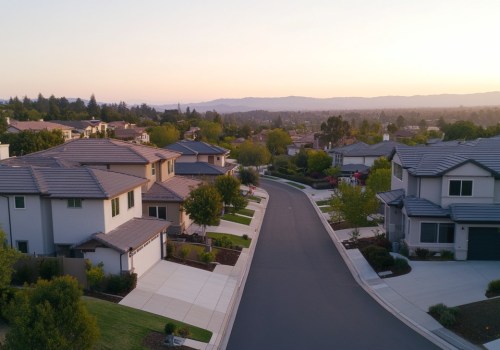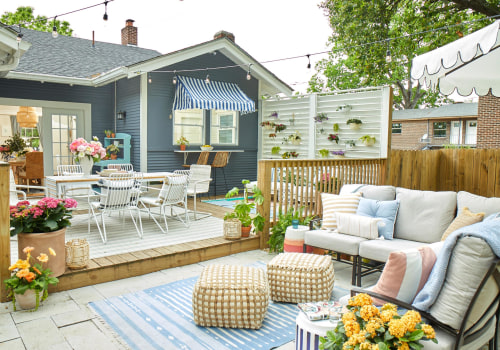
When it comes to enhancing the beauty and functionality of your outdoor space, hardscaping ideas for California homes can make all the difference. With its diverse climate and stunning landscapes, California offers a unique opportunity to create outdoor environments that are not only aesthetically pleasing but also practical and durable. From the sun-drenched coastlines to the rugged mountains and everything in between, the options for hardscaping are as varied as the state itself. Imagine transforming your backyard into a serene oasis with elegant stone pathways, a cozy fire pit, or a beautifully crafted patio that invites friends and family to gather. Whether you’re looking to add a touch of sophistication with sleek concrete designs or embrace a more rustic charm with natural stones and timber, the possibilities are endless.
The right hardscaping elements can elevate your home’s curb appeal, increase its value, and provide a perfect backdrop for outdoor activities. In this article, we will explore innovative and practical hardscaping ideas for California homes that cater to various tastes and budgets. Whether you’re a homeowner seeking inspiration for a renovation or a DIY enthusiast eager to tackle your next project, our comprehensive guide will offer valuable insights into materials, design concepts, and maintenance tips. Get ready to unlock the potential of your outdoor space and create an environment that reflects your personal style while standing up to California's unique climate. Hardscaping plays a crucial role in enhancing the outdoor aesthetics and functionality of California homes. The diverse climates and landscapes across the state mean that homeowners can explore a variety of hardscaping ideas tailored to their specific environment.
Whether you reside near the coast, in a desert, or within mountainous regions, there are abundant options available to elevate your outdoor spaces. In coastal areas, hardscaping can help create beautiful patios and walkways that withstand salty air and moisture. Materials such as stone and concrete are excellent choices due to their durability and resistance to the elements. For instance, a stunning flagstone patio adorned with comfortable seating can serve as an ideal spot for entertaining guests while taking in ocean views. Meanwhile, pavers can be used to construct winding paths that lead to beach access points, combining functionality with aesthetic appeal. Desert regions present unique challenges such as intense heat and minimal rainfall, making it essential to choose hardscaping materials that reflect this environment.
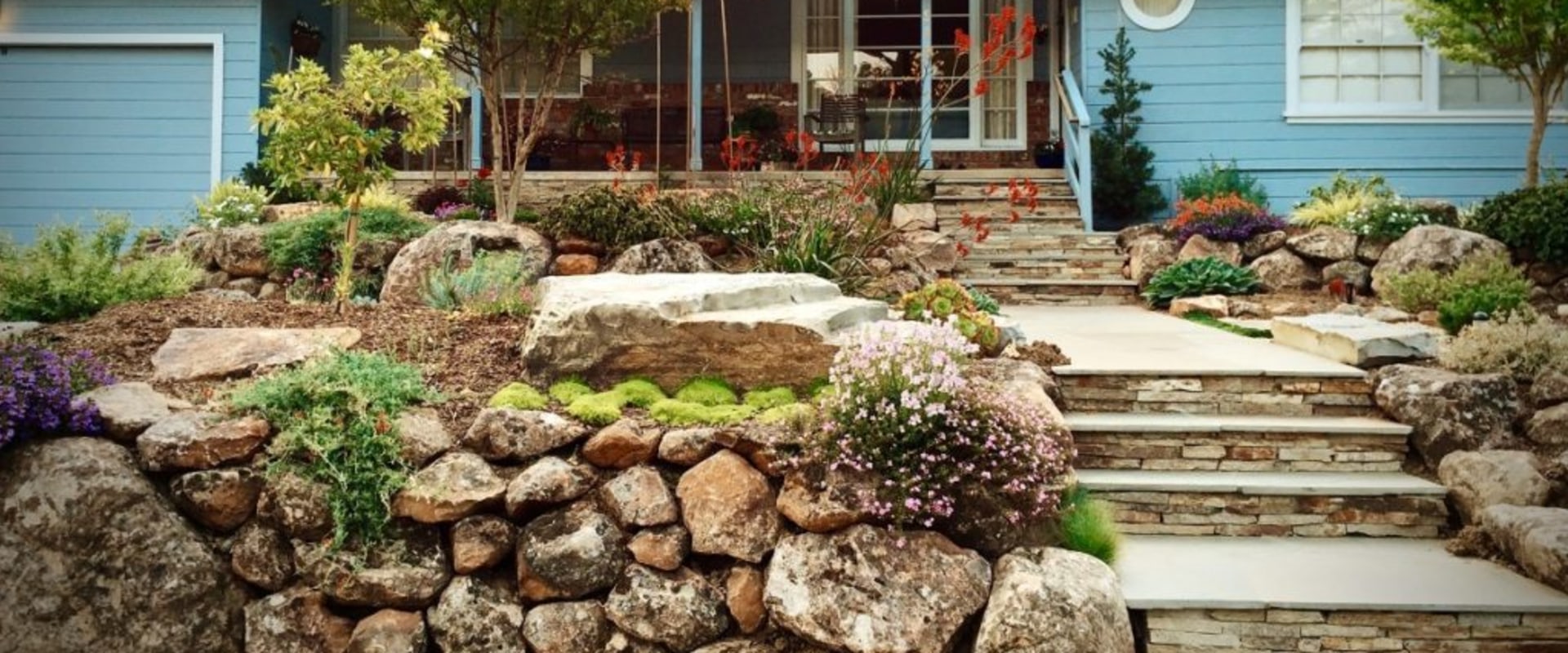
Concrete is a popular option due to its ability to withstand extreme temperatures and its low maintenance requirements. Homeowners can create functional outdoor living spaces by incorporating fire pits made of is a popular option due to its ability to withstand extreme temperatures and its low maintenance requirements. Homeowners can create functional outdoor living spaces by incorporating fire pits made of stone or concrete, perfect for gatherings under the stars. Additionally, raised planters built from retaining walls not only add dimension but also help manage soil erosion while providing a space for drought-resistant plants. In mountainous areas, hardscaping needs to consider slope stability and drainage.
Retaining walls
are vital for preventing soil erosion and creating terraced gardens that enhance both beauty and usability.Using natural stone for these walls can help blend the structure with the surrounding landscape. Moreover, adding pathways made of pavers or gravel can provide safe access through steep terrains while ensuring proper drainage during heavy rains. The integration of hardscaping with landscaping is key to achieving cohesive outdoor spaces. For example, surrounding a patio with native plants not only enhances the visual appeal but also supports local wildlife. A seamless transition between hardscape elements like decks or patios and softscape features such as flower beds can create inviting environments that reflect California's natural beauty. When planning hardscaping projects, it’s important to consider local climate conditions and regulations.
Homeowners should be aware of any zoning laws or homeowner association guidelines that may impact their design choices. Utilizing materials that are energy efficient—such as heat-absorbing concrete—can contribute to a cooler outdoor space while also being considerate of environmental impacts. Deciding between DIY options versus hiring professionals is another critical consideration in hardscaping projects. While some homeowners may feel confident tackling smaller tasks like laying pavers for a walkway, larger projects such as building retaining walls often require professional expertise. To find reliable local contractors, seek recommendations from friends or neighbors, check online reviews, and ensure any potential contractor is licensed and insured. Ultimately, hardscaping can significantly contribute to creating functional outdoor living spaces that reflect California's lifestyle.
Incorporating features like built-in barbecues or outdoor kitchens allows families to enjoy alfresco dining year-round. Fire pits create cozy gathering spots for evening entertainment, while well-placed benches or seating walls encourage relaxation amidst nature. By thoughtfully designing hardscaping elements, homeowners can enhance their properties' aesthetics, functionality, and overall value.
Popular Hardscaping Features
When it comes to enhancing outdoor aesthetics, hardscaping plays a crucial role in California homes. Among the various features that can be incorporated, patios, pathways, and retaining walls stand out as popular choices.Patios
serve as an outdoor living space where homeowners can relax, entertain, and enjoy the beautiful California weather.Materials such as natural stone, pavers, or concrete can be used to create durable and stylish patios that blend seamlessly with the surrounding landscape.
Pathways
are another essential hardscaping element that not only guide visitors through the garden but also add structure and design to outdoor spaces. Whether made from gravel, flagstone, or decorative concrete, pathways can enhance the visual appeal of a yard while providing functional access to different areas. Furthermore, retaining walls are not just practical features for managing soil erosion but also serve as attractive elements in landscaping design. They can create tiered gardens or define spaces within the yard, using materials like stone or brick to complement the home’s architecture. Each of these are not just practical features for managing soil erosion but also serve as attractive elements in landscaping design. They can create tiered gardens or define spaces within the yard, using materials like stone or brick to complement the home’s architecture. Each of these hardscaping features contributes to the overall aesthetic and functionality of California homes, allowing homeowners to create inviting and beautifully designed outdoor environments.DIY vs. Hiring Professionals
When considering hardscaping ideas for California homes, one important decision homeowners face is whether to take on projects themselves or hire a professional contractor.This decision can significantly impact the outcome of your hardscaping project, including aesthetics, functionality, and long-term durability. For smaller projects, such as installing a simple patio or creating garden pathways, many homeowners find that DIY is a rewarding and cost-effective option. With the right tools, materials, and a bit of research, you can successfully implement your vision while saving on labor costs. Online resources, tutorials, and community workshops can provide valuable guidance for those willing to learn and invest their time. However, larger or more complex hardscaping projects—like building retaining walls, extensive outdoor kitchens, or intricate water features—often require specialized knowledge and skills. In these cases, hiring a professional can ensure that the work adheres to local building codes and regulations while achieving the desired aesthetic appeal.
Professionals bring experience, access to high-quality materials, and efficiency that can ultimately save you both time and money in the long run. Ultimately, the decision to go DIY or hire a contractor should be based on several factors: your budget, the scale of the project, your skill level, and the complexity of the design. Assessing these factors will help you determine the best approach to achieve stunning hardscaping that complements your California home.
Maximizing Outdoor Living Spaces
In California, where the climate is generally mild and inviting, maximizing outdoor living spaces is essential for enhancing both the functionality and enjoyment of your home. By thoughtfully designing these areas, homeowners can create comfortable retreats that seamlessly blend with their natural surroundings. One popular idea is to incorporate a patio or a deck that provides a perfect spot for dining or entertaining. Utilizing materials such as stone, wood, or composite decking can create a durable and aesthetically pleasing surface that withstands California's varying weather conditions. Another effective strategy is to add a fire pit or an outdoor fireplace, which extends the usability of your outdoor space into the cooler evenings.This feature not only serves as a focal point but also enhances the cozy atmosphere for gatherings with family and friends. For those who love gardening, consider integrating raised garden beds or vertical gardens into your hardscaping design. These elements can provide functional beauty while maximizing available space, allowing you to grow herbs, vegetables, or ornamental plants. Lastly, incorporating shade structures, such as pergolas or retractable awnings, can make outdoor spaces more enjoyable during the hotter months. These structures offer protection from the sun while allowing for airflow, making it comfortable to relax outdoors even in peak summer heat.
Choosing the Right Materials
When it comes to hardscaping ideas for California homes, selecting the right materials is crucial to ensure durability, aesthetic appeal, and compatibility with the local climate. California boasts a variety of climates, from coastal to desert and everything in between, which significantly influences material choices.Natural Stone
is a popular option due to its timeless look and resilience.Whether you choose granite, slate, or limestone, natural stone can withstand the elements while providing a sophisticated appearance. However, it may require sealing to prevent staining and should be regularly cleaned to maintain its beauty.
Concrete
is another versatile choice that can be molded into various shapes and finishes. It’s particularly suitable for warmer regions as it reflects heat and can be colored or textured to match your home’s style. While concrete is generally low-maintenance, cracks can form over time, so periodic sealing and repairs may be necessary.Brick
adds a classic touch to any landscape design and is highly durable.It performs well in California's varied climates but requires proper installation to avoid shifting or cracking due to soil movement. Regular cleaning with a pressure washer can help maintain its appearance.
Wood
, while offering a natural aesthetic, may not be the best choice for all areas of California due to its susceptibility to rot and pests. However, treated hardwoods or composite materials can provide more durability and are often used for decks and fences. Lastly, consider permeable pavers, which allow water to pass through, reducing runoff and promoting sustainability in your landscaping. This makes them an excellent choice for drought-prone areas in California, as they help recharge groundwater. Ultimately, the right material will depend on your specific location within California, the intended use of the hardscaped area, and your personal style preferences.Always factor in maintenance needs and longevity when making your selections.
Integrating Hardscaping with Landscaping
When planning hardscaping for California homes, it is essential to integrate hardscaping elements with existing landscaping to create a cohesive and visually appealing outdoor space. This integration involves careful consideration of design, materials, and plant selections that complement each other. Start by assessing the current landscaping features, such as trees, shrubs, and flower beds. The goal is to ensure that the hardscaping elements, like patios, walkways, or retaining walls, enhance rather than overwhelm the natural beauty of the plants. For instance, using natural stone or earthy tones in hardscaping can help create a seamless transition between hard surfaces and soft landscaping. Additionally, consider the flow of the space.Pathways should lead smoothly from one area to another, guiding visitors through the yard while highlighting both hardscaping and landscaping. Incorporating curves in pathways can soften the overall look and make the area feel more inviting. It is also beneficial to use hardscape features as functional elements; for example, a bench integrated into a garden wall can provide seating while adding aesthetic value. Another vital aspect of integration is planting strategically around hardscaping features. Low-growing plants or ground covers can soften edges and fill gaps between stones or pavers, creating a lush appearance.
On the other hand, taller plants can be used to provide privacy around patios or decks without obstructing views. Finally, consider seasonal changes in both hardscaping and landscaping. Selecting materials that age gracefully and plants that offer year-round interest will ensure that your outdoor space remains attractive throughout the seasons. By thoughtfully blending these elements, you can achieve a harmonious landscape that reflects the unique character of California homes. In conclusion, the hardscaping ideas for California homes discussed throughout this article highlight the significant role that hardscaping plays in enhancing both the aesthetics and functionality of outdoor spaces. By selecting the right materials and incorporating popular features, homeowners can create inviting environments that reflect the unique beauty of California's diverse landscapes.
Additionally, understanding whether to tackle projects as a DIY endeavor or hire professionals can greatly influence the outcome, ensuring that each element is executed with care and precision. Moreover, integrating hardscaping with landscaping allows for a seamless transition between built structures and natural elements, maximizing outdoor living spaces for relaxation and entertainment. As you consider your own hardscaping projects, remember to take into account your specific environment and lifestyle needs. With thoughtful planning and creativity, your hardscaping choices can significantly elevate your home’s curb appeal and overall value.