Transforming your outdoor space into a serene oasis starts with creating visually appealing garden layouts that harmonize with California's unique climate and aesthetic. The Golden State, with its diverse landscapes ranging from coastal cliffs to lush valleys, offers endless inspiration for homeowners looking to cultivate inviting garden spaces. In this article, we will explore the art of designing inviting garden spaces for California homes, delving into essential tips and techniques that not only enhance the beauty of your landscape but also promote sustainability and ease of maintenance. Whether you are an experienced gardener or a novice just beginning to explore the joys of landscaping, our guide aims to provide you with practical insights to elevate your outdoor environment. Join us as we navigate through the vibrant world of garden design, uncovering the secrets behind creating a visually captivating layout that reflects your personal style while complementing the natural surroundings. From selecting the right plants to arranging elements that draw the eye, every detail counts in crafting a garden that beckons you to step outside and enjoy the tranquility it offers. Creating a visually appealing garden layout is essential for enhancing outdoor spaces and can significantly increase the value of your home.
The fundamental principles of garden design—balance, contrast, and unity—play a crucial role in achieving this aesthetic. Balance refers to the distribution of visual weight within the garden, ensuring that no single area overwhelms another. This can be achieved through symmetrical or asymmetrical arrangements of plants and hardscaping elements. For instance, placing larger shrubs on one side balanced by smaller plants on the opposite side can create harmony in the layout. Contrast is another vital element that helps to draw attention and create interest within a garden space.
This can be achieved by juxtaposing different colors, textures, or shapes. For example, pairing soft, feathery grasses with bold, architectural succulents can add depth and excitement to the design. Unity ties everything together, ensuring that all elements of the garden work cohesively to create a singular aesthetic vision. This can be accomplished by using a consistent color palette or repeating certain plant species throughout the space. In California, several popular garden styles reflect both the unique climate and aesthetic preferences of homeowners.
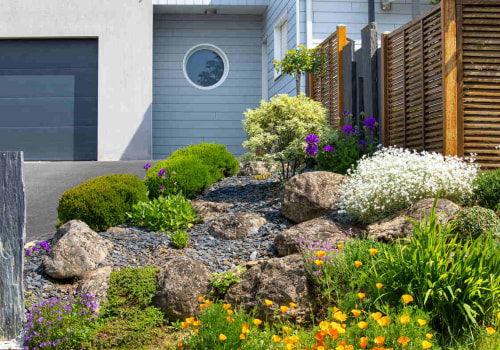
Drought-tolerant landscaping has gained immense popularity due to the region's dry conditions. This style emphasizes the use of native plants that require minimal water while still providing beauty and biodiversity. Mediterranean gardens are another favored style, characterized by lush foliage, fragrant herbs, and vibrant flowers that thrive in sunny environments. Native plant gardens celebrate local flora, promoting sustainability and attracting wildlife while reducing water usage. When creating a visually appealing garden layout, it's important to consider local climate conditions when selecting plants and materials.
California's diverse microclimates mean that what thrives in one area may not do well in another. Homeowners should assess their specific location's temperature ranges, rainfall patterns, and soil types to choose the right plants that will flourish in their gardens. Practical tips for layout planning are essential for crafting an inviting space. Incorporating paths helps guide visitors through the garden while also serving as functional walkways. Paths can be made from various materials, such as gravel or flagstone, which contribute to the overall aesthetic.
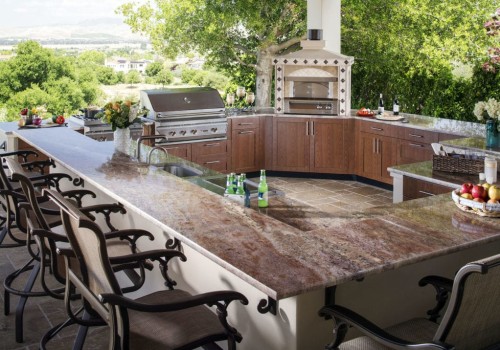
Additionally, establishing focal points—such as a striking sculpture or a vibrant flower bed—can draw the eye and encourage exploration of the garden. Layering plants of varying heights creates depth and interest; taller plants can serve as a backdrop, while shorter ones fill in the foreground. Functionality is equally important in outdoor spaces. Homeowners should think about how they intend to use their gardens; whether for entertaining guests or providing a peaceful retreat for relaxation, these considerations will influence the design. Creating dedicated areas with seating arrangements or fire pits promotes social interaction and enjoyment of the outdoors. California homeowners often face common challenges such as water conservation and pest management.
These issues can be seamlessly integrated into garden layouts with thoughtful planning. Utilizing drip irrigation systems conserves water while ensuring plants receive adequate moisture. Additionally, incorporating pest-resistant plants or companion planting can help manage pests naturally without relying on chemical pesticides. Hardscaping elements like patios or seating areas play a significant role in complementing garden designs. These structures should harmonize with the overall theme of the garden while providing functional spaces for relaxation or gatherings.
Using materials that reflect natural elements—such as stone or wood—can enhance the inviting atmosphere of your outdoor space. In conclusion, by adhering to fundamental principles of design and being mindful of California's unique climate conditions, homeowners can create visually appealing garden layouts that enhance their outdoor spaces while increasing property value.
Essential Elements of Garden Design
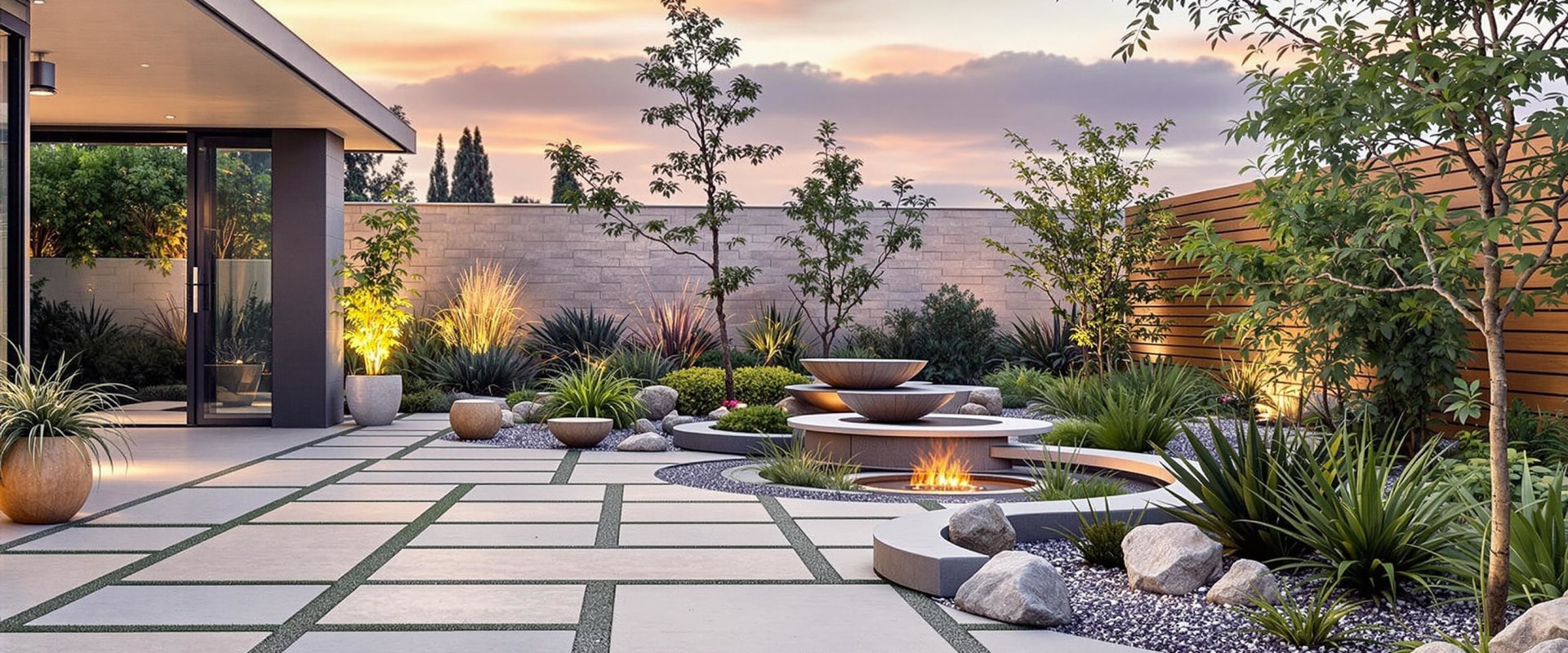
Creating a visually appealing garden layout involves understanding key design principles that can transform any outdoor space into a breathtaking retreat. One of the fundamental aspects is symmetry. Symmetrical designs create a sense of order and balance, making the garden feel more cohesive. This can be achieved by placing similar plants or features on either side of a central path or focal point, guiding the eye and enhancing the overall aesthetic. Another critical element in garden design is the establishment of focal points.A focal point draws attention and serves as the centerpiece of your garden. This could be a striking sculpture, a beautiful tree, or a vibrant flower bed. By strategically placing focal points throughout the space, you create visual interest and encourage exploration within your garden. Lastly, plant selection plays an essential role in designing an inviting garden. The unique climate of California allows for a diverse range of plants that thrive in various conditions, from coastal to desert landscapes.
Choosing native plants not only enhances the beauty of your garden but also promotes sustainability and requires less maintenance. Consider incorporating a mix of colors, textures, and heights to create depth and intrigue, ensuring that your garden remains visually appealing throughout the seasons.
Understanding California's Unique Climate
California is renowned for its diverse climate zones, which range from coastal Mediterranean to arid desert and even mountainous regions. This variety of climates plays a crucial role in determining the types of plants that thrive in different areas, making it essential for homeowners to understand their specific zone when planning their garden layout. In coastal regions, for instance, the moderate temperatures and moisture-laden air allow for lush gardens filled with vibrant flowers and verdant foliage. Homeowners in these areas can select from a wide array of plants, including succulents, native California plants, and traditional Mediterranean species that flourish in these conditions. Conversely, the interior valleys and southern deserts experience hotter summers and colder winters.Here, garden layouts should focus on drought-resistant species that can withstand extreme temperatures and limited water availability. Incorporating xeriscaping techniques can help create a beautiful garden while conserving water resources. The mountainous regions of California present yet another challenge, where cooler temperatures and potential frost can limit plant selection. Homeowners should consider hardy perennials and native shrubs that can endure these conditions while still providing aesthetic appeal. Ultimately, understanding California's unique climate zones allows homeowners to make informed decisions about plant selection and garden layout, ensuring a visually appealing garden that enhances outdoor spaces while thriving year-round.
Incorporating Hardscape into Garden Layouts
When designing inviting garden spaces, incorporating hardscape features is essential to achieving a well-rounded landscape. Hardscape elements, such as patios, walkways, retaining walls, and decorative stones, provide structure and functionality to your garden layout.By blending these features with soft landscaping—like plants, flowers, and grass—you can create a visually appealing and harmonious outdoor environment. The key to a successful garden layout lies in the balance between hardscape and softscape. For instance, if you have a spacious patio made of natural stone, consider surrounding it with lush greenery and colorful flowers. This contrast not only enhances the aesthetic appeal but also creates an inviting space for relaxation and entertainment. In California's unique climate, it's important to select durable hardscape materials that can withstand varying weather conditions. Options like concrete, brick, or flagstone are popular choices that offer longevity while complementing the vibrant colors of California flora.
Additionally, incorporating permeable materials can help with drainage and minimize water runoff, which is particularly beneficial in drought-prone areas. When planning your garden layout, think about the flow of movement through your space. Pathways should lead guests through your garden while highlighting key features, such as a beautiful fountain or a cozy seating area. Integrating hardscape elements like benches or trellises can provide focal points and enhance the overall design. Ultimately, the goal of incorporating hardscape into your garden layout is to create an outdoor space that is not only visually stunning but also functional and sustainable. By thoughtfully combining hardscape and softscape elements, you can design a garden that reflects your personal style while also increasing your home’s value.
Water Conservation in Garden Design
As California faces ongoing challenges related to water scarcity, water conservation has become a critical aspect of garden design.By implementing water-efficient practices, homeowners can create stunning outdoor spaces that not only enhance curb appeal but also contribute to environmental sustainability. To begin with, consider incorporating drought-tolerant plants. These native and adapted species are specifically chosen for their ability to thrive in arid conditions while requiring minimal irrigation. Examples include lavender, succulents, and California poppies. Selecting plants that naturally flourish in the local climate reduces the need for excessive watering. Another effective strategy is to implement , a landscaping technique that focuses on reducing or eliminating the need for irrigation.
This can be achieved by grouping plants with similar water needs together and using mulch to retain soil moisture. Mulching not only conserves water but also helps suppress weeds, which can compete for precious resources. Additionally, consider the layout of your garden. Incorporating hardscaping elements such as pathways, patios, and decorative stones can minimize grass areas, which often require significant amounts of water. By designing with a balance of softscape and hardscape, you can create functional spaces that are both aesthetically pleasing and water-efficient. Finally, utilizing rainwater harvesting systems can significantly enhance your garden's sustainability.
By collecting and storing rainwater from your roof, you can use this resource to irrigate your garden during dry spells. This not only conserves tap water but also reduces your overall water bill. Incorporating these tips into your garden design will help create a visually appealing landscape that honors California's unique climate while promoting responsible water use.
Popular Garden Styles for California Homes
When it comes to creating visually appealing garden layouts, selecting the right style is crucial, especially in a state as diverse as California. The unique climate, which ranges from coastal to desert and everything in between, allows for a variety of garden styles that can enhance your outdoor space while reflecting your personal taste. One popular style is the California Native Garden. This approach emphasizes the use of native plants that require minimal water and maintenance, making them ideal for the state’s dry summers.Native gardens not only support local wildlife but also provide a vibrant, lush appearance that thrives in California's environment. Another favored option is the Mediterranean Garden, which complements California's warm climate beautifully. Characterized by terracotta pots, stone pathways, and drought-resistant plants like lavender and succulents, this style evokes a sense of relaxation and charm reminiscent of coastal regions. If you prefer a more structured look, consider the Formal Garden style. This type often features symmetrical designs, manicured hedges, and geometric shapes. While it requires more maintenance, a well-executed formal garden can significantly enhance your property's curb appeal. The Zen Garden offers a tranquil retreat with its minimalist design.
Using elements such as rocks, gravel, and carefully placed plants, it creates a serene environment perfect for meditation and relaxation—ideal for busy California homeowners seeking solace in their outdoor spaces. Lastly, the Edible Garden is becoming increasingly popular as homeowners look to incorporate sustainability into their landscapes. By integrating fruits, vegetables, and herbs into your garden layout, you not only create an attractive space but also produce fresh ingredients right at home. In summary, exploring these various garden styles allows homeowners to create visually stunning outdoor spaces that align with California's unique climate and enhance property value.
Understanding California's Unique Climate
California is known for its diverse climate zones, ranging from coastal Mediterranean to arid desert and even snowy mountainous regions. This variety has a significant impact on the types of plants that can thrive in different areas, making plant selection a crucial part of designing your garden layout. In coastal regions, for example, you will find a milder climate with cooler summers and wet winters. This allows for a wide range of lush greenery and flowering plants that can withstand the moisture.Here, consider incorporating native species such as California poppies and lavender, which not only enhance the garden's aesthetic but also support local wildlife. Moving inland, the climate shifts dramatically. Areas such as the San Joaquin Valley experience hotter summers and less rainfall, necessitating careful plant selection that emphasizes drought-resistant varieties. Succulents, cacti, and ornamental grasses can create stunning visual interest while minimizing water usage. In mountainous regions, the climate can be cooler and more temperate, creating opportunities for a different set of plants. Here, gardeners might opt for evergreens and perennials that can withstand colder temperatures while still providing year-round beauty. Understanding these climatic nuances is essential not only for choosing the right plants but also for creating a cohesive garden layout.
Proper spacing and placement can ensure that each plant has the best chance to flourish, contributing to an inviting outdoor space that enhances your home's value.
Understanding California's Unique Climate
California is renowned for its diverse climate, which ranges from coastal Mediterranean to arid desert and everything in between. This variability significantly influences plant selection and garden layout, making it crucial for homeowners to understand their specific region when designing an outdoor space. The state's coastal areas benefit from mild temperatures and moderate rainfall, allowing for a lush variety of plants that thrive in these conditions. Homeowners in these regions can take advantage of native plants like California poppies and coastal sage, which not only enhance the visual appeal but also support local biodiversity. In contrast, the interior valleys experience hotter summers and cooler winters, creating a different set of challenges and opportunities. Here, drought-resistant plants such as succulents and ornamental grasses become essential choices.Implementing a xeriscape design can help conserve water while maintaining an inviting aesthetic. The mountainous areas of California introduce yet another layer of complexity, with cooler temperatures and varying precipitation levels. Garden layouts in these regions should focus on perennial plants that can withstand colder conditions while adding seasonal interest. Ultimately, understanding California's unique climate zones allows homeowners to make informed decisions about garden layout and plant selection, ensuring their outdoor spaces are both beautiful and sustainable. In conclusion, we have explored the essential components of creating visually appealing garden layouts that not only elevate the aesthetic appeal of your outdoor space but also contribute to the overall value of your California home. Understanding California's unique climate allows for informed choices regarding plant selection and garden styles that thrive in this environment. We've discussed the importance of integrating hardscape features to complement your garden design, as well as the significance of water conservation in today's eco-conscious landscape. Each of these elements plays a critical role in crafting a harmonious and inviting outdoor area. As you embark on your own gardening journey, we encourage you to experiment with various designs and layouts that reflect your personal style while taking into account the specific attributes of your home and surroundings.
Remember, a well-planned garden not only enhances your outdoor living experience but also creates a welcoming atmosphere for family and guests alike.