Are you dreaming of a beautiful outdoor kitchen that seamlessly blends functionality with style? Designing an outdoor kitchen can transform your backyard into an inviting space for family gatherings, summer barbecues, and cozy dinners under the stars. However, before you dive into this exciting project, there are several crucial factors to consider that will ensure your outdoor cooking area is not only aesthetically pleasing but also practical and efficient. From selecting the right appliances to choosing durable materials that withstand the elements, the decisions you make during the design process will have a lasting impact on your outdoor living experience. Imagine hosting friends while grilling delicious meals on a state-of-the-art barbecue, all while enjoying the beauty of nature surrounding you. But achieving this vision requires careful planning and consideration. In this article, we will guide you through the essential elements of designing an outdoor kitchen, from layout and functionality to lighting and landscaping.
By understanding what to take into account, you can create a space that not only meets your culinary needs but also enhances your overall outdoor living experience. So, let’s embark on this journey of transformation and discover how to craft the perfect outdoor cooking oasis!The trend of designing an outdoor kitchen has gained significant traction in California, where the climate is ideal for outdoor cooking and entertaining year-round. Homeowners are increasingly recognizing the benefits of having a dedicated space for outdoor culinary activities, as it can enhance both the enjoyment of their homes and their overall property value. Reports indicate that homes with well-designed outdoor kitchens can see a return on investment of up to 100% when it comes time to sell.
This trend is further supported by testimonials from homeowners who revel in the joy of hosting friends and family in their beautifully crafted outdoor spaces. When it comes to designing an outdoor kitchen, several key considerations must be taken into account. One of the most critical factors is the location and layout of the kitchen. It’s essential to choose a spot that not only maximizes usability but also enhances flow between indoor and outdoor living areas. The kitchen should be conveniently located near your home’s entry points for easy access to ingredients and supplies, while also providing a comfortable space for guests to gather.
Furthermore, consider how the sun and wind patterns will affect the space throughout the day, as these factors can greatly influence comfort levels during cooking and dining. Another vital aspect of your design involves selecting material choices that are suitable for California's climate. Opt for weather-resistant finishes such as stainless steel, stone, or concrete, which can withstand high temperatures and occasional rain without deteriorating. Additionally, consider investing in energy-efficient appliances that not only reduce energy consumption but also contribute to a more sustainable outdoor cooking experience. Features like built-in grills, refrigerators, and pizza ovens should be chosen based on durability and functionality. Proper plumbing and electrical access is another crucial element in the planning process.
Ensure that your outdoor kitchen has the necessary connections for water and electricity, allowing for seamless operation of sinks, refrigerators, and lighting. It’s important to work closely with professionals who understand local building codes and regulations to ensure compliance while avoiding any potential legal issues during your project. The design elements you choose will also play a significant role in creating a functional and inviting space. Focus on aspects such as countertops, which should be both aesthetically pleasing and practical for food preparation. Materials like granite or quartz offer durability while maintaining an upscale look.
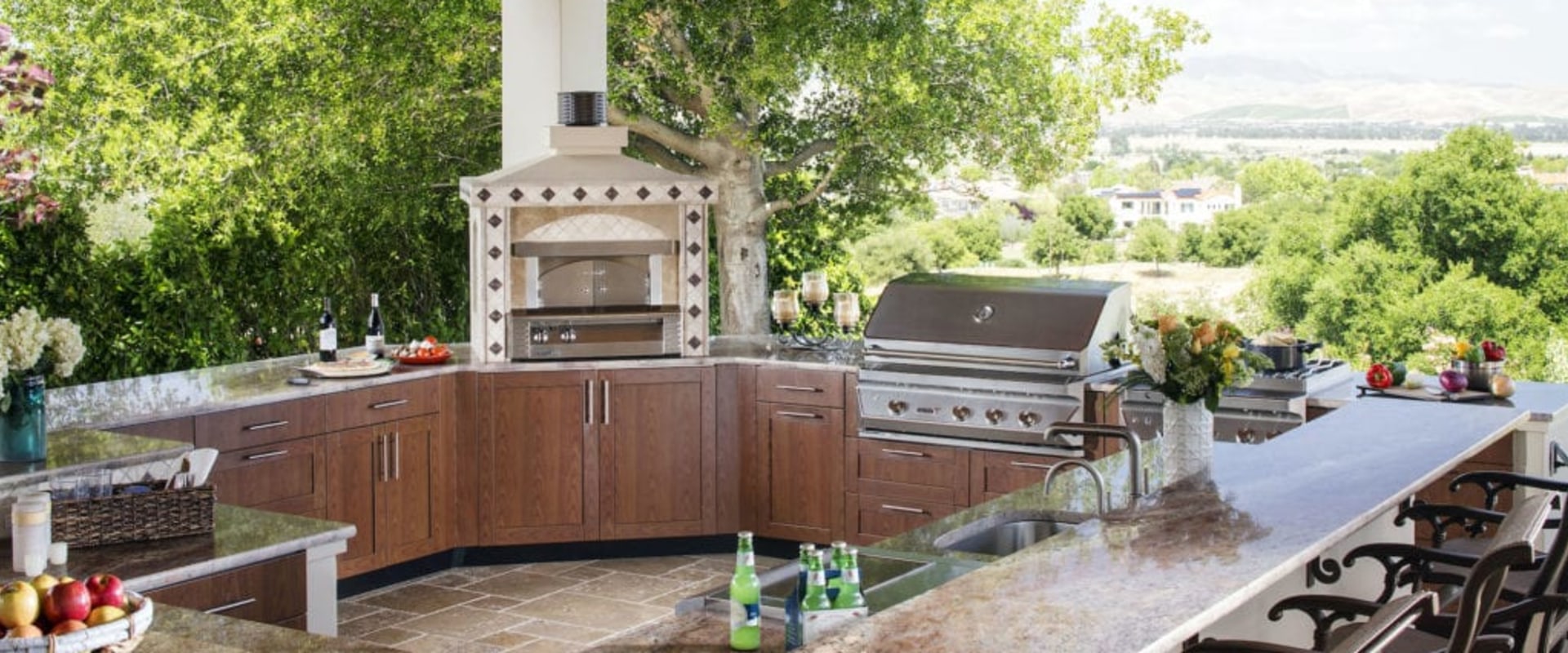
Adequate storage solutions are essential to keep your outdoor kitchen organized; consider built-in cabinets or shelving that complements your overall design. Lastly, thoughtful seating arrangements can transform your kitchen into a social hub. Bar stools or dining tables positioned near cooking areas encourage interaction, making it easy for guests to engage with the chef. To inspire your own project, consider examples from California homeowners who have successfully created stunning outdoor kitchens. For instance, one homeowner in Los Angeles transformed their small backyard into a vibrant entertainment space featuring a rustic wood-fired pizza oven, ample seating around a large island, and beautiful landscaping that integrates seamlessly with the kitchen design.
Another example is a couple in San Diego who opted for a sleek modern kitchen complete with stainless steel appliances and a contemporary dining area that overlooks their pool. Common concerns such as budget management should also be addressed early on in the planning phase. Establishing a clear budget will help guide your choices regarding materials, appliances, and labor costs. Be sure to factor in unexpected expenses by setting aside a contingency fund. If hiring professionals seems daunting or too costly, explore DIY options.
Many resources are available online to assist homeowners in building their outdoor kitchens at their own pace while saving money. In conclusion, designing an outdoor kitchen requires careful consideration of various elements including location, materials, plumbing, electrical access, design features, budget management, and contractor selection. By thoughtfully addressing each aspect of your project and drawing inspiration from successful California homeowners, you can create an outdoor kitchen that enhances your lifestyle while adding value to your property.
Designing Functional Layouts
When designing an outdoor kitchen, one of the most critical aspects to consider is the layout. An efficient layout not only enhances the cooking experience but also makes entertaining guests more enjoyable. To create a functional outdoor kitchen, it’s essential to establish a workflow that allows for seamless movement between different areas of the kitchen. Begin by designating specific zones for different activities.The three main areas to focus on are cooking, preparation, and dining. The cooking area should ideally feature the grill or cooktop, with easy access to essential tools and equipment. Positioning the grill close to the preparation area minimizes unnecessary movement, allowing you to transfer ingredients swiftly. The preparation area should include ample counter space for chopping, mixing, and assembling meals. It’s beneficial to have this area equipped with storage for utensils, spices, and other cooking essentials within arm’s reach.
Consider incorporating a sink into this space for easy cleaning and rinsing of ingredients. Finally, the dining area should be situated conveniently near the cooking zone to facilitate smooth service. Whether it’s a bar-style seating arrangement or a more traditional dining table, ensure there is enough room for guests to gather comfortably while enjoying their meals. Adequate spacing between the cooking and dining areas will prevent congestion during gatherings. In summary, an effective layout in your outdoor kitchen will enhance both functionality and enjoyment. By clearly defining each area and ensuring they flow together efficiently, you can create a space that maximizes your outdoor cooking experience.
Budgeting for Your Outdoor Kitchen
When designing an outdoor kitchen, one of the most crucial steps is budgeting effectively.Establishing a realistic budget will help guide your decisions and ensure that you stay on track throughout the project. Here are some tips to help you set a budget for your outdoor kitchen. First, consider the cost of materials. Outdoor kitchens can vary significantly in price depending on the materials chosen. High-quality countertops, cabinetry, and appliances can add up quickly.
It’s essential to research different options and choose materials that suit both your aesthetic preferences and your budget. Next, account for labor costs. Depending on the complexity of your design, hiring professionals for installation may be necessary. Get quotes from multiple contractors to understand the average labor costs in your area, and factor this into your budget. Remember that skilled labor can significantly impact the quality and longevity of your outdoor kitchen. Don’t forget to consider any potential permits.
Depending on your location and the scope of your project, you may need permits for construction or electrical work. Check with local building departments to find out what permits are required and their associated costs. Including these expenses in your budget will help avoid surprises later on. Finally, it’s wise to set aside a contingency fund—typically about 10-20% of your overall budget—to cover any unexpected expenses that may arise during the construction process. This will provide peace of mind as you move forward with your outdoor kitchen project.
Choosing the Right Location
When it comes to designing an outdoor kitchen, one of the most critical aspects to consider is the location.The placement of your outdoor kitchen can significantly impact its functionality and your overall enjoyment of the space. Here are some key factors to keep in mind.
Proximity to the House
: Ideally, your outdoor kitchen should be easily accessible from your indoor kitchen. This proximity not only makes food preparation and serving more convenient but also enhances the flow of entertaining guests. A short distance between the two kitchens allows for seamless transitions, whether you are bringing out dishes or restocking supplies.Sun Exposure
: Consider how much sunlight your outdoor kitchen will receive throughout the day.While some homeowners may prefer a sun-drenched space for grilling and dining, others might seek out shaded areas to avoid excessive heat. Think about incorporating structures like pergolas, awnings, or umbrellas to provide relief from direct sunlight while still enjoying your outdoor cooking experience.
Views
: The scenery surrounding your outdoor kitchen can greatly influence its appeal. Look for locations that offer beautiful views of your garden, pool, or landscape. Positioning the kitchen to take advantage of these visuals can create a more inviting atmosphere for you and your guests.Additionally, consider how this location aligns with social interactions; you want to be part of the action while cooking. By carefully evaluating these factors—proximity to the house, sun exposure, and views—you can select the perfect location for your outdoor kitchen that enhances both its functionality and aesthetic appeal.
Incorporating Comfort and Aesthetics
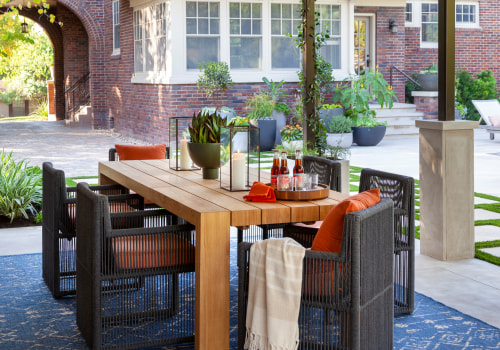
When designing an outdoor kitchen, comfort and aesthetics play a crucial role in creating an inviting space. One of the first considerations is seating options. Comfortable seating can transform your outdoor kitchen into a social hub. Consider using a mix of dining chairs, bar stools, and lounge furniture to accommodate different activities and preferences.Opt for weather-resistant materials that offer both durability and comfort, ensuring that your seating remains inviting regardless of the season. Additionally, incorporating shade structures is essential for enhancing comfort. A well-placed pergola, gazebo, or retractable awning can protect you and your guests from the harsh sun while still allowing for a pleasant outdoor experience. These structures can also serve as a beautiful focal point in your design, adding character and style to the overall look of your outdoor kitchen. Landscaping around the kitchen area can further elevate both comfort and aesthetics. Use plants and greenery to create a natural barrier that provides privacy and reduces noise from surrounding areas.
Incorporate fragrant herbs or flowering plants that not only beautify the space but also enhance the cooking experience. Pathways lined with plants or decorative stones can lead guests seamlessly from the home to the kitchen area, making the space feel cohesive and intentional. Finally, consider integrating lighting solutions that enhance the ambiance of your outdoor kitchen. Soft, warm lighting can create a cozy atmosphere for evening gatherings, while task lighting ensures safety and functionality during cooking. By thoughtfully combining these elements, you can create an outdoor kitchen that is both comfortable and visually appealing, making it a perfect spot for entertaining friends and family.
Selecting Materials and Appliances
When designing an outdoor kitchen, one of the most crucial aspects to consider is the selection of materials and appliances that can withstand the elements while providing both functionality and aesthetic appeal.In California, where the weather is often warm and sunny, it is important to choose durable materials that can endure high temperatures and occasional rain without deteriorating. For countertops, materials such as granite, quartz, or stainless steel are highly recommended. These surfaces not only resist heat and moisture but also offer a stylish look that complements various outdoor themes. Additionally, they are relatively easy to clean, making them ideal for outdoor cooking spaces. When it comes to cabinetry, opt for materials like marine-grade polymer or stainless steel. These options are designed to resist corrosion and fading, ensuring that your outdoor kitchen remains functional and visually appealing for years to come.
Furthermore, consider using weather-resistant finishes to enhance the longevity of wooden elements. In terms of appliances, selecting energy-efficient models is essential. Look for outdoor-rated grills, refrigerators, and pizza ovens that boast high energy ratings. Not only do these appliances help reduce energy consumption, but they also provide reliable performance in fluctuating temperatures. Many manufacturers now offer weatherproof appliances specifically designed for outdoor use, ensuring they can handle California's climate. Lastly, integrating smart technology into your outdoor kitchen can elevate your cooking experience.
Look for appliances that can connect to your home network, allowing you to monitor temperatures and cooking times from your smartphone. This blend of durability and modern convenience will make your outdoor kitchen a standout feature of your home.
Finding Local Contractors or DIY Options
When it comes to designing an outdoor kitchen, one of the most crucial steps is deciding whether to hire a professional contractor or tackle the project yourself. Each option has its own set of advantages and challenges. If you choose to go the contractor route, it’s essential to find a reliable local professional who understands your vision and can bring it to life. Start by asking for recommendations from friends or family who have recently completed similar projects.Online platforms like Yelp, Angie's List, or Houzz can also provide valuable insights through customer reviews and ratings. Once you have a shortlist of potential contractors, schedule consultations to discuss your ideas, budget, and timeline. Be sure to ask for references and examples of their previous work. This will give you a better understanding of their style and expertise. Additionally, verify that they are licensed and insured to protect yourself from any potential liabilities. On the other hand, if you’re a DIY enthusiast looking to build your own outdoor kitchen, there are plenty of resources available to guide you through the process.
Start by researching online tutorials and videos that cover everything from design principles to construction techniques. Websites like YouTube and DIY Network offer step-by-step guides that can make your project more manageable. Moreover, consider visiting local home improvement stores or specialty outdoor kitchen retailers. They often provide workshops or classes that can enhance your skills and give you hands-on experience. Don’t hesitate to consult with staff members for advice on materials, tools, and design options that suit your needs. Whether you decide to hire a contractor or take on the challenge yourself, thorough planning and research will ensure that your outdoor kitchen not only meets your expectations but also enhances your outdoor living space for years to come. In conclusion, designing an outdoor kitchen involves careful consideration of various elements that contribute to a cohesive and functional space.
By focusing on choosing the right location, selecting quality materials and appliances, and creating a functional layout, homeowners can maximize the utility and aesthetic appeal of their outdoor cooking areas. Additionally, incorporating elements of comfort and aesthetics ensures that the space is not only practical but also inviting for family and friends. Budgeting effectively is crucial, as it allows for a well-planned investment that enhances both lifestyle and property value. Whether opting to hire local contractors or embracing DIY options, taking the time to research and plan can lead to successful outcomes. As you envision your ideal outdoor cooking space, remember that thoughtful design can transform your backyard into a vibrant hub for entertainment and relaxation. Take actionable steps towards realizing your dream outdoor kitchen, and enjoy the benefits of outdoor living for years to come.