
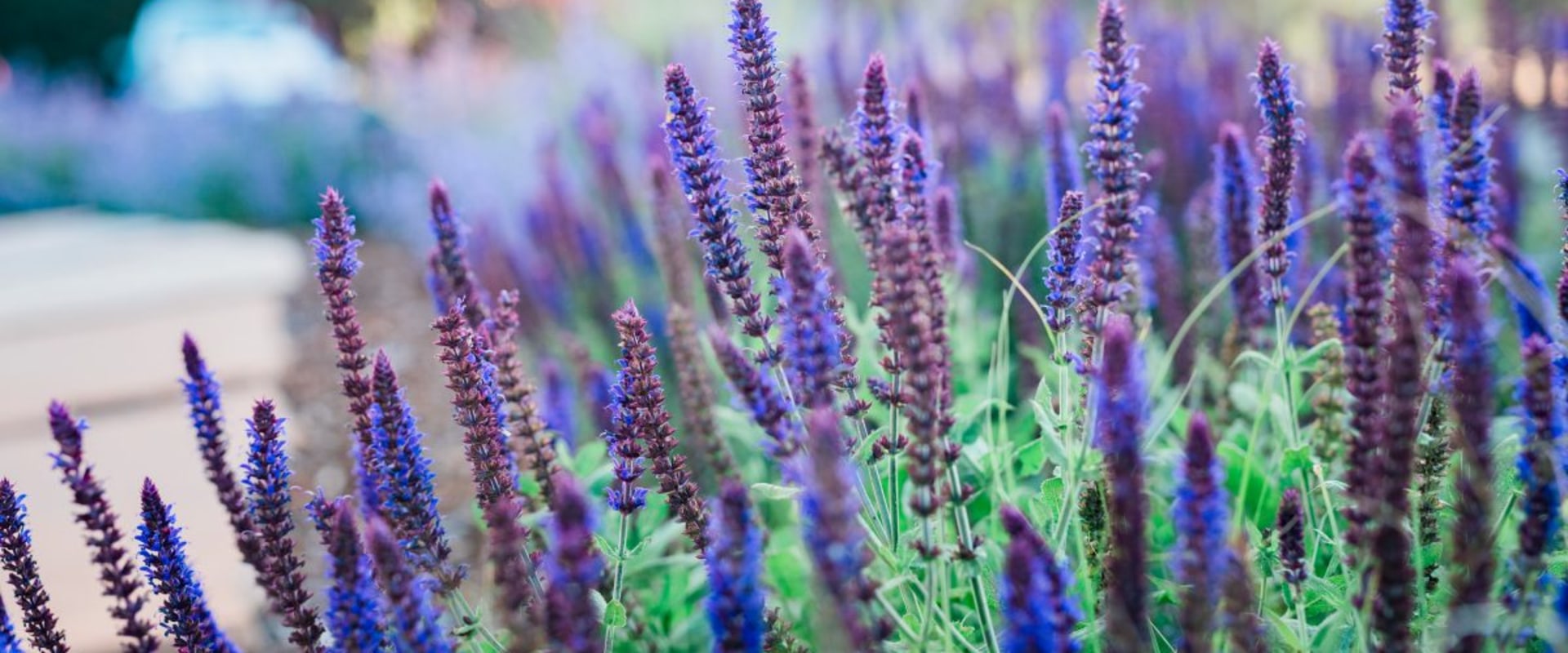
As California faces increasing challenges with water scarcity and prolonged droughts, the choice of plants in your garden becomes more crucial than ever. Homeowners are now seeking sustainable solutions that not only beautify their outdoor spaces but also contribute positively to the environment. Enter the world of drought-tolerant plantsdrought-tolerant plants, a vibrant and diverse selection of flora designed to thrive in arid conditions while requiring minimal water. In this article, we will explore the best drought-tolerant plants for California gardens, showcasing options that are not only resilient but also stunningly beautiful.
Whether you're looking to create a lush oasis in your backyard or a low-maintenance landscape that conserves precious resources, this guide will provide you with valuable insights into choosing the right plants for your specific needs. From native species that have adapted to California's unique climate to exotic varieties that can withstand the heat, our curated list will help you transform your garden into a thriving sanctuary. Join us as we delve into the remarkable world of drought-resistant landscaping, where beauty meets sustainability, and discover how you can create a flourishing garden that stands the test of time, even in the face of California's challenging climate. Choosing the best drought-tolerant plants for California gardens is essential for anyone looking to create a sustainable landscape that thrives in the state’s unique climate. California experiences a Mediterranean climate characterized by hot, dry summers and mild, wet winters, making it crucial to select plants that can withstand these conditions. By opting for drought-tolerant plants, gardeners can enjoy the benefits of water conservation, reduced maintenance needs, and the ability to flourish in a variety of soil types.
Additionally, these plants contribute to sustainable gardening practices and enhance the overall aesthetics of home landscapes. One of the most significant categories of drought-tolerant plants is native species. California is home to a diverse range of native flora that has adapted to the local climate over thousands of years. Examples include the California poppy (Eschscholzia californica), which produces vibrant orange flowers and thrives in well-drained soil with full sun exposure. Another excellent native option is the California lilac (Ceanothus spp.), known for its stunning blue blooms and ability to attract pollinators.
These native plants not only require minimal watering but also support local wildlife. Succulents are another popular choice when considering the These native plants not only require minimal watering but also support local wildlife. Succulents are another popular choice when considering the best drought-tolerant plants for California gardens. These plants store water in their leaves, stems, or roots, allowing them to survive extended dry periods. The Aloe vera, with its thick, fleshy leaves and medicinal properties, is an excellent succulent that flourishes in sunny spots with well-drained soil. Similarly, agave species, such as Agave americana, are striking architectural plants that add drama to any garden while requiring little care.
When planting succulents, it's important to ensure they receive adequate sunlight and avoid overwatering to prevent root rot.Ornamental grasses also play a vital role in creating drought-tolerant landscapes. They add texture and movement to gardens while requiring minimal irrigation once established. The When planting succulents, it's important to ensure they receive adequate sunlight and avoid overwatering to prevent root rot. Ornamental grasses also play a vital role in creating drought-tolerant landscapes. They add texture and movement to gardens while requiring minimal irrigation once established. The Mexican feather grass (Nassella tenuissima) is a graceful option that sways beautifully in the wind, thriving in full sun and well-drained soils. Another great choice is blue fescue (Festuca glauca), which features striking blue-green foliage and works well in rock gardens or as a border plant.
When integrating ornamental grasses into your garden design, consider grouping them in clusters for maximum visual impact. Integrating these plants into various garden styles can enhance their overall aesthetic appeal. For instance, xeriscaping is a landscaping method designed specifically for water conservation that emphasizes the use of drought-tolerant plants. By combining native species, succulents, and ornamental grasses, gardeners can create visually appealing landscapes that require minimal water. Similarly, Mediterranean gardens often feature warm colors and a mix of drought-resistant plants; pairing lavender (Lavandula spp.) with rosemary (Rosmarinus officinalis) creates a fragrant and low-maintenance environment. When planting drought-tolerant plants, it's essential to consider their specific growing requirements.
Most drought-resistant plants prefer well-drained soil and benefit from being planted in late spring or early fall when temperatures are milder. Ensure that you provide proper spacing between plants to allow for air circulation and growth. Once established, many drought-tolerant species only need occasional watering during prolonged dry spells. Seasonal considerations are also important; during California’s hot summers, some plants may need extra care to ensure their survival. Mulching around plants helps retain soil moisture and suppress weeds that compete for nutrients.
Furthermore, regular pruning after blooming can promote healthier growth for many species. While many gardeners may be tempted to use non-native drought-tolerant plants for their unique beauty or exotic appeal, there are potential ecological concerns associated with their use. Non-native species can become invasive, outcompeting local flora and disrupting ecosystems. For environmentally conscious gardeners, it is advisable to prioritize native species or well-adapted non-natives that do not pose risks to local habitats. Exploring options like lavender, sage, or manzanita can provide beautiful alternatives without compromising environmental integrity. By carefully selecting the best drought-tolerant plants for California gardens, gardeners can create stunning landscapes that are both sustainable and resilient against climate challenges.
With thoughtful planning and consideration of local ecosystems, it's possible to cultivate a thriving garden that conserves water while enhancing the beauty of California homes.
Succulents: A Versatile Choice
Succulents are a fantastic option for California gardens, known for their ability to store water in their leaves, stems, or roots, making them exceptionally drought-tolerant. These hardy plants not only require minimal water but also add unique visual interest to any landscape. Some popular varieties of succulents include Aloe Vera, which is not only decorative but also offers medicinal benefits; Echeveria, with its rosette-shaped leaves and vibrant colors; and Sedum, which is known for its ground-covering abilities and resilience. Each of these varieties thrives in California's warm climate, making them ideal choices for gardeners looking to create a low-maintenance yet beautiful outdoor space. Furthermore, succulents come in a range of shapes, sizes, and colors, allowing homeowners to design visually striking arrangements. They can be planted in pots, used as ground cover, or incorporated into rock gardens, providing versatility in landscape design.With their unique textures and forms, succulents can enhance the overall aesthetics of your garden while promoting sustainable gardening practices.
Ornamental Grasses for Texture and Movement
Incorporating ornamental grasses into your garden design can add a dynamic element that enhances both texture and movement. These versatile plants are not only drought-tolerant but also low-maintenance, making them an ideal choice for California gardens. Their ability to sway gently in the breeze brings life to your landscape, creating a visually appealing and serene environment. Some popular drought-tolerant ornamental grasses suitable for California gardens include Blue Oat Grass (Helictotrichon sempervirens), known for its striking blue-green foliage and upright habit. It thrives in well-drained soil and is perfect for adding height to your garden beds. Another excellent option is Mexican Feather Grass (Nassella tenuissima), which features delicate, fine-textured leaves that create a soft, flowing appearance.This grass is highly adaptable to various soil types and can withstand dry conditions, making it a favorite among gardeners looking for sustainable options.
Fountain Grass
(Pennisetum alopecuroides) is also worth considering, with its bushy clumps and feathery flower spikes that bloom throughout summer. Its drought resistance and ability to attract pollinators make it a valuable addition to any garden. By integrating these drought-tolerant grasses, you not only enhance the aesthetic appeal of your space but also contribute to water conservation efforts. The diverse textures and colors they provide can transform any garden into a vibrant, low-maintenance oasis.Designing Your Drought-Resistant Garden
Creating a visually appealing and functional garden in California requires careful planning, especially when selecting drought-tolerant plants. To design a cohesive landscape, start by considering the overall theme and style of your garden.Whether you prefer a modern, minimalist look or a more natural, rustic feel, the plants you choose should complement this vision. Begin by grouping plants with similar water needs together. Even though they are drought-tolerant, some plants may have slightly different moisture requirements. Organizing them into zones can help you manage irrigation effectively and ensure that each plant thrives in its environment. Incorporate a variety of plant types to add texture and interest to your garden. Use a mix of grasses, succulents, and flowering perennials to create layers and depth.
Taller plants can be used as a backdrop, while shorter varieties can fill in the foreground, creating an inviting space. Consider using native California plants, as they are well-adapted to the local climate and soil conditions. Species such as California poppies, lavender, and agave not only require less water but also attract local wildlife, enhancing biodiversity in your garden. In addition to plant selection, pay attention to hardscape elements such as paths, walls, and patios. Using materials that blend with your plants can unify the design. Choose permeable surfaces that allow water to seep into the ground, which is beneficial for both your plants and the environment. Finally, think about seasonal interest.
Select a combination of plants that bloom at different times throughout the year. This ensures that your garden remains vibrant and visually appealing across all seasons, making it a stunning focal point for your home.
Native Plants for California Gardens
California is home to a diverse range of native plants that have adapted to the state’s unique climate and soil conditions.Native plants
are not only resilient but also play a crucial role in supporting local ecosystems. By incorporating these species into your garden, you can create a sustainable landscape that thrives with minimal water and maintenance. One of the most popular native species is the California poppy (Eschscholzia californica), known for its vibrant orange blooms that brighten up any garden.This annual plant is drought-tolerant and attracts pollinators like bees and butterflies, enhancing biodiversity. Another excellent choice is the sagebrush (
Its ability to thrive in poor soil makes it an ideal choice for low-maintenance gardens. By choosing these drought-tolerant native plants, gardeners can create beautiful landscapes that require minimal irrigation while supporting local wildlife and contributing to the ecological health of California. In conclusion, choosing drought-tolerant plants for your California garden offers numerous advantages, including significant water conservation, reduced maintenance efforts, and the ability to adapt to a variety of soil types. These plants not only support sustainable gardening practices but also enhance the aesthetic appeal of your outdoor spaces. As you embark on your gardening journey, it's crucial to consider your local climate and soil conditions when selecting plants. A well-planned drought-resistant garden not only conserves precious water resources but also creates a stunning and inviting atmosphere for you and your family.