As a parent, ensuring the safety of your little ones is a top priority, and one of the most effective ways to achieve this is through childproofing your home. Every room in your house can pose potential hazards, from sharp corners and choking hazards to toxic substances and electrical outlets. The process of childproofing isn’t just about eliminating risks; it’s about creating a nurturing environment where your children can explore, learn, and grow without constant fear of injury. In this comprehensive guide, we will walk you through the essential steps needed to transform your home into a safe haven for your children. Whether you are expecting a new addition to your family or have toddlers already on the move, understanding the nuances of childproofing will empower you to make informed decisions that protect your loved ones. From simple fixes like securing furniture to the wall, to more complex adjustments such as installing safety gates and outlet covers, we will cover practical tips and expert advice that cater to all areas of your home.
Join us as we delve into the world of childproofing, ensuring that every nook and cranny is as safe as possible, allowing you to breathe easier and focus on what truly matters: enjoying precious moments with your family. Childproofing your home is an essential aspect of creating a safe environment for your children, especially in a family-oriented place like California. As families look for ways to enhance their homes, it’s crucial to understand that childproofing is not just about safety; it also presents opportunities for home improvementhome improvement. By addressing safety concerns, homeowners can simultaneously elevate the aesthetics and functionality of their living spaces. The basics of childproofing involve several straightforward steps. First and foremost, securing furniture is vital.
Heavy bookshelves or dressers should be anchored to the wall to prevent tipping if a child attempts to climb them. This not only enhances safety but also allows for more flexibility in arranging your living space without worrying about hazardous furniture placement. Additionally, covering outlets with safety plugs is another fundamental step that protects curious little fingers from electrical hazards. This can be done with stylish outlet covers that complement your interior design, merging safety with style. Installing safety gates is another critical measure in the childproofing process.
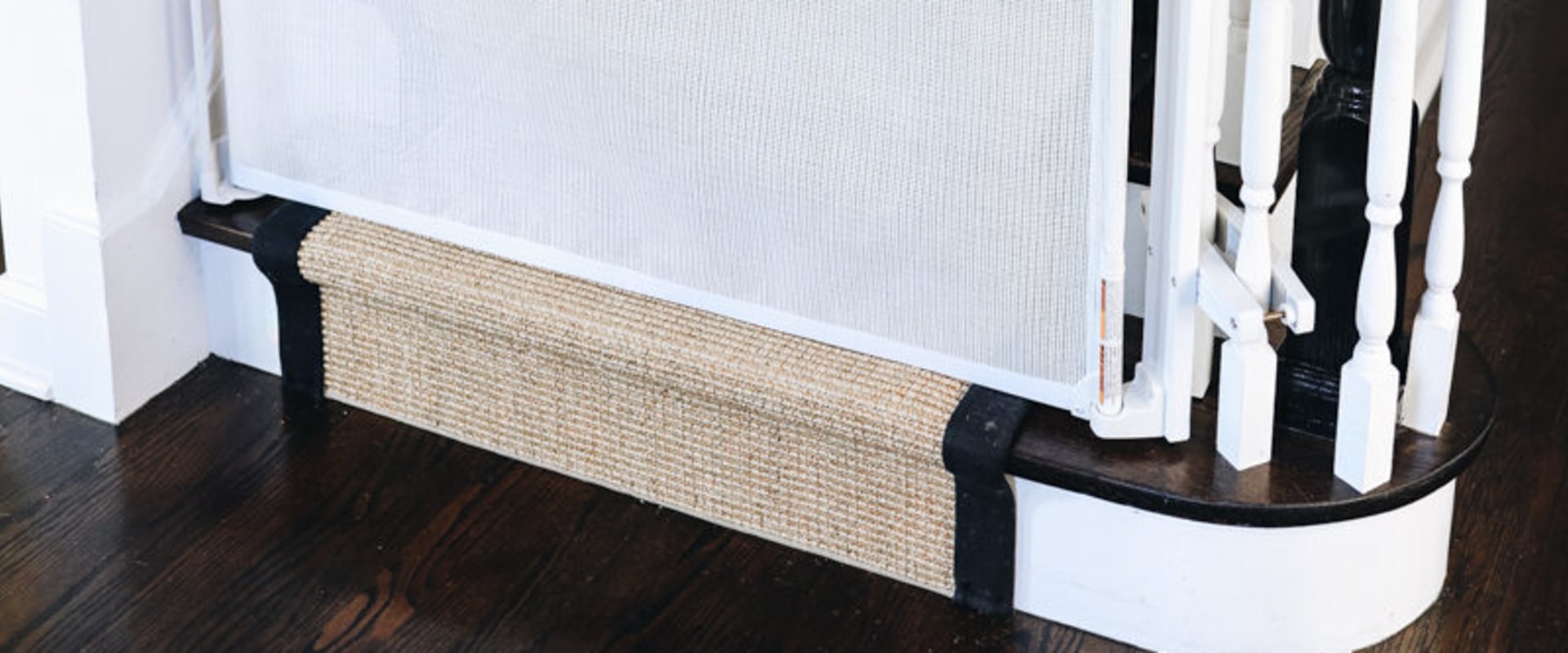
These gates can prevent children from accessing stairs or hazardous areas of your home. However, the traditional look of safety gates may not always align with your home’s aesthetic. Fortunately, there are many modern options available that feature elegant designs and finishes, allowing you to maintain the visual appeal of your home while ensuring safety. For instance, consider a wooden gate that matches your decor instead of a basic plastic one. As you delve into childproofing, it’s also an excellent time to consider DIY projects that enhance both safety and functionality in your home.
Creating a safe play area outdoors is a fantastic way to encourage outdoor activity while keeping children secure. You could use durable and eco-friendly materials such as composite decking or non-toxic paints to create a vibrant play space that’s both safe and inviting. Adding a soft surface like rubber mulch or artificial grass can further cushion falls and make the area child-friendly. If you’re renovating a room, consider using child-friendly materials. These might include non-toxic paints, rounded furniture edges, and slip-resistant flooring.
Such improvements not only keep your children safe but also contribute to a modern look that appeals to all family members. Additionally, many of these materials are energy-efficient, allowing you to improve your home’s sustainability while addressing safety concerns. Cost and effort are common concerns for homeowners when it comes to childproofing. While some parents may choose to tackle these projects independently, others may prefer professional assistance. In California, there are numerous local resources available, including contractors specializing in home safety improvements and childproofing services.
Websites like HomeAdvisor or Angie's List can help you find reputable professionals near you who can provide estimates and guide you through the process. It’s also essential to consider the relationship between energy efficiency and childproofing. Installing window locks not only secures windows against accidental openings by young children but also contributes to energy efficiency by keeping your home sealed against drafts. Opting for energy-efficient windows can provide dual benefits: they improve safety by being more difficult for children to open while also reducing energy bills through better insulation. By embracing the concept of childproofing, homeowners in California can create safer living environments that do not sacrifice style or efficiency. The steps taken not only protect children but also elevate the overall aesthetics and functionality of the home.
Whether through DIY projects or professional help, investing in childproofing measures is a proactive approach that combines safety with smart home improvement.
Energy Efficiency Meets Safety
When considering childproofing your home, many homeowners often focus on physical safety measures like securing furniture and covering outlets. However, an often-overlooked aspect is how energy-efficient upgrades can also enhance safety for children. For instance, replacing old windows with energy-efficient models not only reduces energy costs but also minimizes the risk of accidents. Modern windows come with features such as tempered glass and locking mechanisms that prevent young children from opening them unsupervised. Additionally, installing energy-efficient appliances can contribute to a safer environment.Many new appliances are designed with safety features that reduce the risk of overheating or electrical hazards, ensuring that your kitchen remains a safe place for family activities. For example, induction cooktops remain cool to the touch even while cooking, significantly reducing burn risks. Moreover, enhancing your home’s insulation not only helps maintain a comfortable temperature but also eliminates drafts and cold spots that can lead to increased susceptibility to illness in young children. Properly insulated homes are easier to heat and cool, promoting a healthier living space. Finally, integrating smart home technology can also play a crucial role in child safety while improving energy efficiency. Smart thermostats and lighting systems allow parents to control their home environment remotely, ensuring that settings are adjusted according to the family's needs without leaving children unattended. In conclusion, the intersection of energy efficiency and childproofing presents an opportunity to create a safer and more sustainable home.
By investing in energy-efficient upgrades, families can enjoy peace of mind knowing they are providing a secure environment for their children while also making smart economic choices.
Understanding the Basics of Childproofing
Childproofing your home is essential for creating a safe environment for children, especially in homes with young kids. By understanding the basics of childproofing, parents can take effective steps to minimize potential hazards. Here are the fundamental steps everyone should consider:1.Secure Heavy Furniture: Ensure that heavy furniture, such as bookshelves and dressers, are anchored to the wall. This prevents tipping and potential injuries if a child tries to climb or pull on them.2.Cover Electrical Outlets:
Use outlet covers or safety plugs to prevent children from inserting objects into electrical outlets.This simple step can greatly reduce the risk of electrical shock.
3.Install Safety Gates:
Place safety gates at the top and bottom of stairs to prevent falls. These gates help restrict access to potentially dangerous areas of the home.4.Keep Hazardous Items Out of Reach:
Store cleaning supplies, medications, and sharp objects in locked cabinets or high shelves. Ensure that any items that could pose a choking hazard are out of reach.5.Use Corner Guards:
Place corner guards on sharp furniture edges to protect children from bumps and bruises as they learn to walk and explore their surroundings.6.Childproof Windows:
Install window locks or guards to prevent children from falling out of open windows. This is particularly important in homes with accessible upper floors.7.Be Mindful of Small Objects:
Regularly check for small toys or items that can be choking hazards and keep them out of reach from young children. By implementing these basic childproofing steps, you can create a safer living space for your children while also enhancing your home’s overall environment.Finding Local Contractors for Childproofing
When it comes to childproofing your home, finding the right local contractors is essential to ensure safety and quality workmanship.Here are some tips to help you locate reliable professionals who specialize in safety renovations. First, start by asking for recommendations from friends, family, or neighbors who have recently undergone childproofing projects. Personal referrals can often lead you to trustworthy contractors who have proven their skills. Next, utilize online resources such as local directories and review sites. Websites like Yelp, Angie's List, and HomeAdvisor can provide valuable insights into the reputations of various contractors in your area. Look for those with high ratings and positive reviews, particularly focusing on their experience with childproofing.It’s also important to verify that any contractor you consider is licensed and insured.
This protects you from liability and ensures that the contractor meets local building codes and regulations. You can usually find this information on the contractor's website or by contacting them directly. Once you have a list of potential contractors, reach out to them for consultations. This is a great opportunity to discuss your specific childproofing needs and assess their expertise. During these meetings, ask about their experience with similar projects and request references from previous clients. Don’t forget to obtain detailed written estimates from at least three different contractors.
This will not only help you compare prices but also give you an idea of the scope of work each contractor proposes for your childproofing project. Lastly, trust your instincts when making a decision. Choose a contractor who communicates clearly, shows professionalism, and makes you feel comfortable. A reliable contractor will prioritize your family’s safety while enhancing your home.
Incorporating Child Safety into Home Improvements
When considering childproofing your home, it’s essential to integrate safety features seamlessly into your home renovations. This approach not only protects your little ones but also enhances the overall aesthetic of your living space.Here are several strategies to ensure that child safety is a priority during home improvements. First, consider using rounded furniture. Sharp edges on tables and countertops can pose a risk to curious toddlers. By selecting furniture with rounded edges, you can minimize the risk of injuries while maintaining a stylish look. Opt for modern designs that incorporate curves, giving your home a contemporary feel. Next, think about flooring options.
Soft, non-slip materials are ideal for homes with children. Carpeting or cork flooring not only provides a cushioned surface for play but also reduces the risk of slipping. If you prefer hard surfaces, look for tiles or hardwoods that have been treated to prevent slipping. Another important aspect is window safety. Installing window guards or locks can prevent falls while still allowing natural light to brighten your home.
Choose designs that complement your window treatments for a cohesive look. In the kitchen, consider incorporating cabinet locks on lower cabinets and drawers where hazardous materials may be stored. You can find stylish options that blend in with cabinetry, ensuring that safety measures don’t detract from your home’s overall design. Additionally, when planning outdoor spaces, opt for secure fencing and gates around pools and play areas. This keeps children safe while allowing them to enjoy the outdoors. Decorative fences can add charm and character to your yard while serving as a protective barrier. Finally, when selecting paint or finishes for renovations, prioritize non-toxic, child-safe materials.
Many manufacturers now offer eco-friendly paints that are safe for children and pets, allowing you to beautify your home without compromising health. By integrating these thoughtful considerations into your renovation plans, you can successfully create a home that is both visually appealing and safe for children. Emphasizing childproofing during home improvements not only protects your family but also elevates the style of your living environment.
DIY Projects for a Safer Home
Creating a safe environment for your children doesn't have to break the bank. Here are some DIY projects that can enhance safety while being budget-friendly and accessible for any homeowner:1.Install Safety Gates: One of the simplest ways to prevent accidents is by installing safety gates at the top and bottom of stairs. Choose gates that are easy to install and remove, ensuring they fit securely in your home.2.Secure Heavy Furniture:
To prevent tipping, anchor heavy furniture such as bookshelves and dressers to the wall.This can be done using simple brackets that are available at most hardware stores.
3.Cover Electrical Outlets:
Use outlet covers or safety plugs to prevent children from inserting objects into electrical outlets. This is an inexpensive yet effective way to reduce the risk of electrical shock.4.Create a Safe Play Area:
Designate a specific area in your home for playtime, ensuring it’s free from sharp corners and hazardous items. Use foam mats or soft rugs to cushion any falls.5.Install Cabinet Locks:
For cabinets containing harmful substances or sharp objects, install childproof locks. These locks are easy to attach and remove, making them a practical solution for keeping dangerous items out of reach.6.Use Corner Protectors:
Protect your little ones from sharp edges on furniture by applying corner protectors.These can be easily adhered to tables and countertops, providing an extra layer of safety.
7.Keep Cords Out of Reach:
Secure blind cords and electrical cords using cord clips or ties to prevent strangulation hazards. This simple fix keeps cords out of sight and away from curious hands.8.Create a Family Emergency Plan:
While not a physical project, having a clear family emergency plan is essential for safety. Designate safe meeting points and practice what to do in case of emergencies, ensuring everyone knows their role. By taking on these DIY projects, you can significantly enhance the safety of your home while also incorporating improvements that benefit your family’s overall living environment. In conclusion, childproofing your home is not just an essential step in safeguarding your little ones, but it also aligns perfectly with the broader goal of enhancing your living space. Throughout this article, we have explored the basics of childproofing, integrating safety into your home improvements, and even delved into DIY projects that can make a significant difference in creating a safer environment. Moreover, we emphasized the importance of finding local contractors who specialize in child safety enhancements, ensuring that your renovations also support your family's needs.Additionally, we touched on how prioritizing energy efficiency can coincide with safety measures, creating a harmonious balance in your home. As families in California seek ways to enhance their homes, it is crucial to remember that child safety should always be a top priority. We encourage you to take action based on the insights provided—whether it’s implementing simple DIY projects or consulting professionals to ensure your home is a secure haven for your children.