In today's world, where environmental consciousness is at an all-time high, making water-saving fixtures and fittingswater-saving fixtures and fittings a central theme in bathroom upgrades is more important than ever. Not only do these innovative solutions contribute to the preservation of our planet's precious water resources, but they also offer a myriad of benefits for homeowners. Imagine transforming your bathroom into a sanctuary of sustainability without sacrificing style or comfort. With the right fixtures, you can create a space that reflects your commitment to eco-friendliness while enjoying significant savings on your utility bills. The bathroom is often one of the most water-intensive areas in the home, and yet it is also a space that can be enhanced with carefully chosen upgrades.
From low-flow toilets and faucets to efficient showerheads, the options available today are both functional and aesthetically pleasing. In this article, we will explore how these From low-flow toilets and faucets to efficient showerheads, the options available today are both functional and aesthetically pleasing. In this article, we will explore how these water-saving fixtures and fittings not only elevate the design of your bathroom but also play a crucial role in promoting an eco-conscious lifestyle. Join us as we delve into the various types of water-saving fixtures available, their incredible benefits, and how you can seamlessly integrate them into your existing space. With a few thoughtful changes, your bathroom can become a model of efficiency and elegance, proving that sustainability and style can indeed go hand in hand. In California, where water scarcity is a pressing concern due to prolonged droughts and climate change, the importance of water conservation cannot be overstated. Upgrading to water-saving fixtures and fittings in your bathroom is not only a responsible choice but also an opportunity to enhance your living space while saving on utility bills.
These upgrades contribute significantly to a more sustainable lifestyle, aligning with the state’s ambitious environmental goals. There are several types of water-saving fixtures that homeowners can consider for their bathrooms. One of the most impactful upgrades is the installation of low-flow toilets. Traditional toilets use around 3.5 to 7 gallons per flush, while low-flow models can reduce this to just 1.28 gallons or less. According to the Environmental Protection Agency (EPA), replacing old toilets with water-efficient models can save an average family approximately 13,000 gallons of water annually.
This not only translates to lower water bills but also helps conserve valuable resources.
Water-efficient faucets
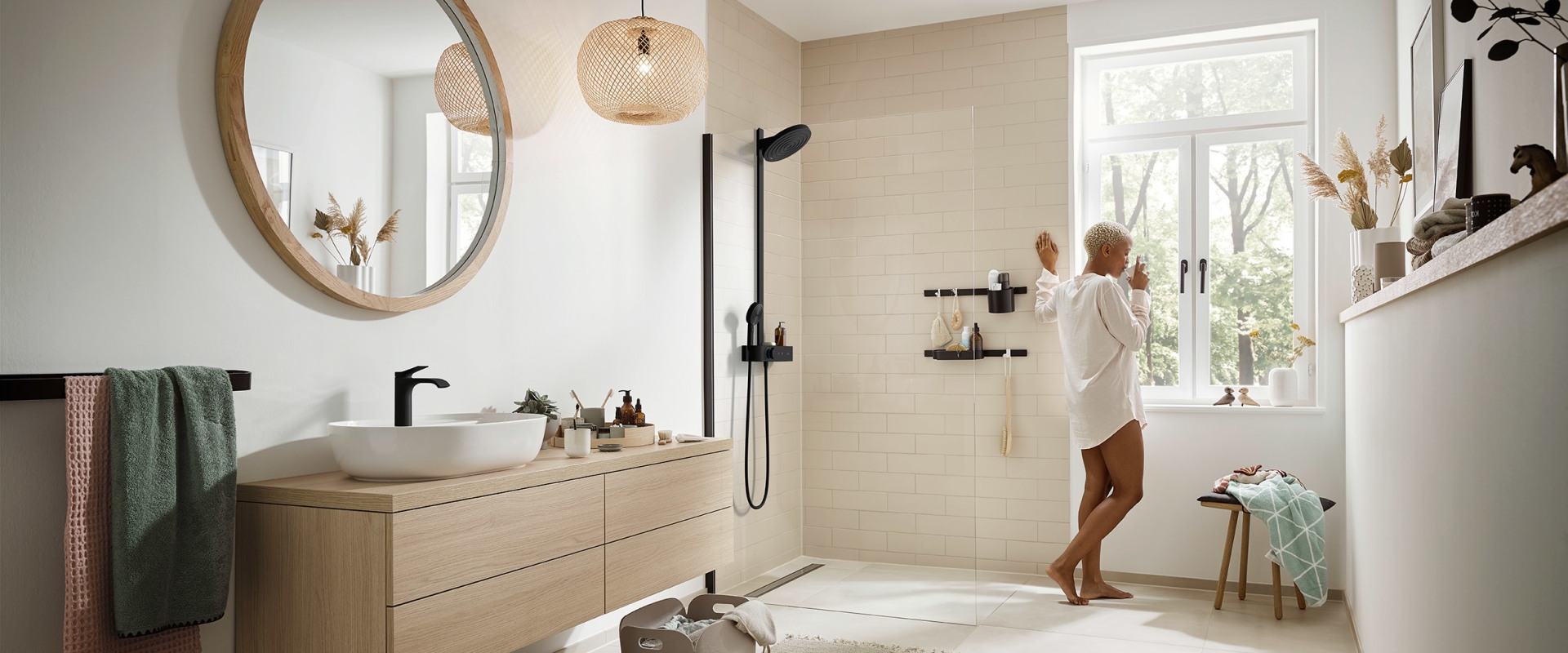
are another excellent upgrade for bathroom sinks. Standard faucets typically flow at a rate of 2.2 gallons per minute (gpm), whereas modern low-flow faucets can operate at 1.5 gpm or less without sacrificing performance. These fixtures are designed to aerate the water flow, maintaining pressure while using significantly less water. Over time, the savings from reduced water usage can be substantial, making this a wise investment. Showerheads also play a crucial role in water conservation in the bathroom.Traditional showerheads can use up to 2.5 gpm, whereas water-saving showerheads can cut that down to 1.8 gpm or even lower, depending on the model. The EPA estimates that switching to a high-efficiency showerhead can save an average family 2,900 gallons of water per year. This not only lessens the environmental impact but also decreases energy costs associated with heating water. When selecting the right water-saving fixtures, it’s essential to consider both functionality and aesthetics to ensure they complement your bathroom style. For those with modern designs, sleek and minimalist fixtures can enhance the overall look while providing efficiency.
Conversely, if your bathroom features a more traditional decor, there are plenty of classic designs available that incorporate water-efficient technology without compromising style. Local options in California are abundant, with many retailers offering eco-friendly fixtures that meet state regulations. For homeowners considering these upgrades, there are generally two paths: DIY installation or hiring professionals. Many water-saving fixtures, such as faucets and showerheads, can be relatively straightforward for handy individuals to install themselves with basic tools and instructions. However, for those who may not feel confident in their DIY skills or are undertaking a larger renovation involving multiple fixtures, hiring local contractors who specialize in eco-friendly upgrades might be the best route.
Websites like Angie’s List or HomeAdvisor offer resources to find skilled professionals in your area. Despite their benefits, some homeowners have concerns about adopting water-saving fixtures, particularly regarding performance and aesthetics. It’s common to worry that lower flow rates might lead to a less satisfying experience, especially when it comes to showers and flushing toilets. However, advancements in technology have ensured that modern water-saving models perform just as well as their traditional counterparts. Many low-flow toilets are designed with powerful flushing mechanisms that prevent clogs while still conserving water effectively. Aesthetically, numerous brands offer stylish designs that fit seamlessly into any bathroom decor, alleviating concerns that these fixtures might look out of place or cheapen the space.
By selecting high-quality products from reputable manufacturers, homeowners can achieve both efficiency and beauty in their bathroom upgrades. The growing trend of eco-friendly home improvements reflects a broader societal shift towards sustainability and conservation. By investing in water-saving fixtures and fittings, California residents not only lower their utility costs but also play an essential role in preserving the environment for future generations. As we face ongoing climate challenges, every drop counts, and these bathroom upgrades are an excellent way to contribute positively while enhancing your home.
Upgrading Your Showerhead
Upgrading your showerhead to a water-saving fixture can significantly impact your water consumption while maintaining a satisfying shower experience. Low-flow showerheads are designed to use less water without compromising water pressure, making them an excellent choice for eco-conscious homeowners.Many modern low-flow showerheads utilize innovative technology to mix air with water, creating a luxurious feel while using as little as 1.5 gallons per minute compared to traditional models that can use up to 2.5 gallons per minute or more. This simple upgrade not only helps conserve water but also leads to substantial savings on your water bill over time. When choosing a low-flow showerhead, look for options that have the WaterSense label, which signifies that the product meets EPA’s criteria for efficiency and performance. Additionally, many of these fixtures come in various styles and finishes, allowing you to enhance your bathroom's aesthetics while being environmentally conscious. Incorporating a low-flow showerhead into your daily routine is an easy step towards a more sustainable lifestyle. You can enjoy the benefits of reduced water usage without sacrificing comfort, making it a smart choice for any California homeowner looking to align with the state’s environmental goals.
Understanding Low-Flow Toilets
Low-flow toilets are designed to use significantly less water per flush compared to traditional models.While older toilets can use up to 3.5 to 7 gallons of water per flush, low-flow toilets typically use only 1.6 gallons or less. This reduction in water usage is a crucial step in conserving water, especially in areas like California where drought conditions are prevalent. The way low-flow toilets function is through advanced flushing technology that efficiently clears waste with less water. Many models utilize gravity-assisted designs or pressure-assisted systems that create a powerful flush while minimizing the amount of water needed. This engineering innovation not only ensures effective waste removal but also promotes water conservation. One of the main advantages of low-flow toilets is the potential for significant savings on water bills.
By reducing the amount of water used with each flush, homeowners can see a noticeable decrease in their monthly utility costs. Additionally, these toilets contribute positively to the environment by lowering overall water consumption, helping to alleviate the strain on local water supplies. Furthermore, installing low-flow toilets can enhance a home's value and appeal, particularly for buyers who prioritize eco-friendly features. As the trend towards sustainable living continues to grow, investing in water-saving fixtures like these becomes not only a responsible choice but also a smart financial decision.
DIY vs. Professional Installation
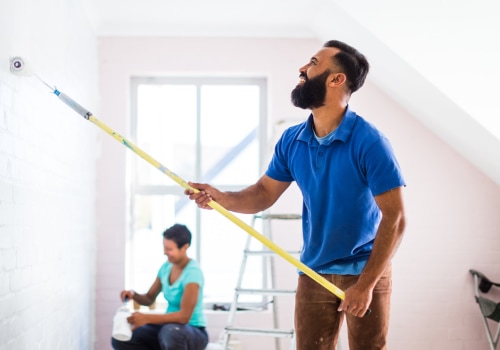
When considering the installation of water-saving fixtures and fittings, homeowners often face a choice between tackling the project as a DIY endeavor or hiring a professional contractor.Understanding the nuances of each option is crucial for ensuring a successful upgrade that aligns with both your skills and the complexity of the installation. For those who are handy and have experience with plumbing, some water-saving fixtures, like low-flow showerheads or faucet aerators, can be relatively straightforward to install. These types of fixtures often come with clear instructions and require minimal tools, making them ideal for the DIY enthusiast. Additionally, taking on these smaller projects can be a rewarding way to enhance your bathroom while also contributing to water conservation efforts. However, larger installations, such as replacing toilets or complex shower systems, may warrant professional assistance. These projects often involve more intricate plumbing work and may require knowledge of local building codes and regulations.
Hiring a contractor ensures that the installation is done correctly and safely, which can prevent potential issues down the line, such as leaks or water damage. It’s also important to consider your time and comfort level with home improvement tasks. If you’re uncertain about your ability to complete a project to a high standard or if you simply don’t have the time to dedicate to it, hiring a professional may be the best choice. Additionally, professionals can often provide valuable advice on selecting the most efficient water-saving fixtures and fittings that will work best for your specific bathroom layout and needs. In summary, weigh your skills and the complexity of the installation when deciding between DIY and professional help. Both options have their benefits; the key is choosing the right approach that ensures your bathroom upgrade is both effective and hassle-free.
Local Resources for Eco-Friendly Upgrades
When it comes to upgrading your bathroom with water-saving fixtures and fittings, utilizing local resources can make the process easier and more efficient.In California, where water conservation is critical, there are numerous stores and contractors that specialize in eco-friendly bathroom solutions. Local home improvement stores such as Home Depot and Lowe's offer a wide range of water-saving fixtures, including low-flow faucets, showerheads, and dual-flush toilets. These retailers often carry brands that are recognized for their sustainability efforts and energy-efficient products. In addition to big-box stores, consider visiting local plumbing supply shops that focus on eco-friendly products. Many of these stores provide expert advice on selecting the right fixtures for your needs while ensuring compliance with California’s stringent water efficiency regulations. For those looking to hire professionals, there are several contractors in the area who specialize in eco-friendly bathroom renovations. Websites like Angie's List or Yelp can help you find reputable contractors who have experience installing water-saving fixtures.
Look for reviews and ratings that highlight their commitment to sustainability and customer satisfaction. Additionally, local government initiatives often provide resources for homeowners looking to make environmentally conscious upgrades. Programs like the California Water Efficiency Partnership can guide you toward rebates and incentives for installing water-saving fixtures, making it more affordable to enhance your bathroom while being kind to the environment. By utilizing these local resources, you can effectively upgrade your bathroom with water-saving fixtures and fittings, contributing to a sustainable future while enjoying the benefits of reduced water bills.
Choosing Water-Efficient Faucets
Water-efficient faucets are an essential component of any eco-friendly bathroom upgrade. These fixtures are designed to reduce water flow without compromising performance, making them a smart choice for environmentally conscious homeowners. When selecting a water-efficient faucet, it’s important to consider several key features that enhance both functionality and design. One of the primary attributes of water-efficient faucets is their flow rate, which is measured in gallons per minute (GPM).Traditional faucets can use up to 2.2 GPM, while water-efficient models typically operate at 1.5 GPM or lower. This reduction in flow rate can lead to significant water savings, particularly in areas like California where water conservation is crucial due to ongoing drought conditions. In addition to their efficiency, many modern water-saving fixtures come equipped with advanced aerators that mix air with water to create a fuller stream while using less water. This technology not only conserves water but also enhances the user experience by providing a satisfying flow that feels strong and effective. Design-wise, water-efficient faucets are available in a variety of styles and finishes, allowing homeowners to maintain their desired aesthetic while being environmentally responsible. From sleek contemporary designs to classic styles, there are options to suit every bathroom decor.
Many manufacturers also offer customizable features such as touchless operation and adjustable temperature controls, further enhancing the functionality of these fixtures. When upgrading your bathroom with water-efficient faucets, it’s also beneficial to consider the overall impact on your plumbing system. These fixtures often incorporate durable materials and innovative designs that can reduce wear and tear over time, leading to fewer repairs and replacements. Overall, choosing water-efficient faucets not only supports water conservation efforts but also elevates the functionality and style of your bathroom. By investing in these eco-friendly fixtures, you contribute to a sustainable living environment while enjoying modern conveniences. In conclusion, the importance of water conservation in California cannot be overstated, particularly in the face of ongoing climate challenges. By upgrading to water-saving fixtures such as low-flow toilets, water-efficient faucets, and modern showerheads, homeowners can significantly reduce their water usage while also lowering their utility bills.
These eco-friendly upgrades not only support a more sustainable living environment but also align with California's broader environmental goals. The trend towards eco-friendly home improvements is growing, and now is the perfect time to consider how these upgrades can fit into your overall home improvement plans. Not only will you be making a positive impact on the environment, but you'll also enjoy the financial benefits that come with reduced water consumption. We encourage you to explore your options for water-saving fixtures and take the necessary steps towards creating a more sustainable bathroom. Every small change contributes to a larger impact—start your journey towards an eco-friendly home today!.