
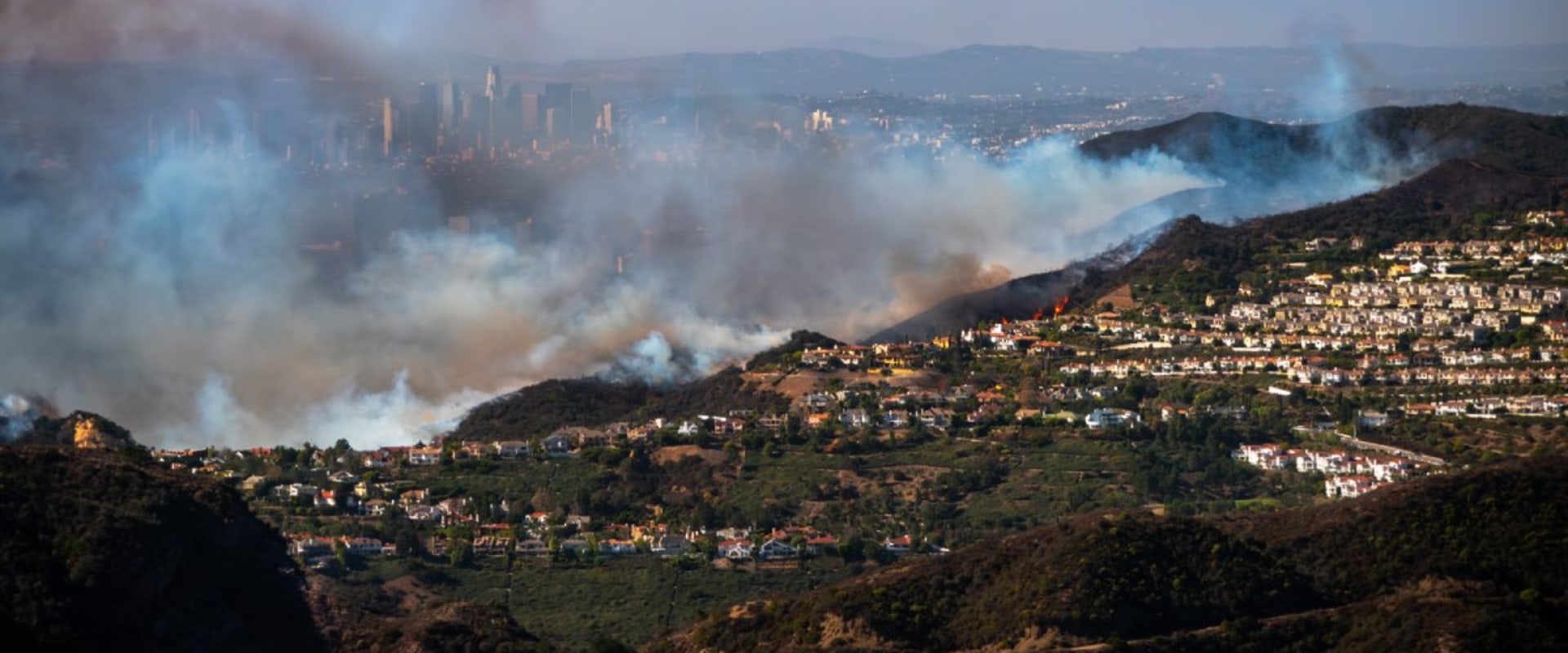
As a homeowner in California, ensuring the safety of your family and property is a top priority.
Fire safety
is an essential aspect that often gets overlooked until it's too late. With the unique challenges posed by the state's diverse climate and terrain, understanding how to prevent and respond to fires is critical. Whether you live in a bustling city or a rural area, the threat of wildfires, house fires, or even electrical fires can be very real.In fact, California's notorious fire season serves as a stark reminder of the importance of being prepared. This article aims to equip you with essential fire safety tips tailored specifically for homeowners like yourself. From creating an effective fire escape plan to ensuring your smoke detectors are functioning properly, we've compiled valuable information that will help you safeguard your home and loved ones. With practical advice and actionable steps, you will learn how to reduce fire risks and respond effectively should an emergency arise. Join us as we delve into these life-saving tips that can make a significant difference in protecting what matters most. It's never too late to enhance your fire safety knowledge—read on to discover how you can create a safer living environment for you and your family!Fire safety is an essential consideration for all homeowners, particularly in California, where the threat of wildfires looms large.
The state has experienced devastating fires in recent years, making it crucial for residents to be proactive about protecting their homes and families. Understanding the risks associated with fire and implementing effective safety measures can significantly reduce the chances of a disaster. In this article, we will explore various fire safety tips that homeowners can implement to safeguard their property. One of the most effective strategies for preventing wildfires is creating defensible space around your home. This involves clearing away flammable materials and vegetation within a certain distance from your property.
Aim for at least 30 feet of defensible space, where you can remove dead plants, leaves, and other debris that could ignite easily. If you live in a high-risk area, consider extending this defensible zone even further. Additionally, maintaining your landscaping is critical. Choose fire-resistant plants and trees, and regularly prune them to eliminate dead branches and foliage. Using fire-resistant materials when making improvements to your home can also enhance its safety.
Consider investing in non-combustible siding, roofing, and decks. These materials are specifically designed to withstand flames and heat, providing an additional layer of protection against fire spread. Furthermore, if you are building or renovating, consult with local fire department guidelines to ensure compliance with fire safety codes.An essential component of any fire safety plan is the installation of smoke detectors. Ensure that you have smoke detectors on every level of your home and in sleeping areas.
Regularly check the batteries and replace them at least once a year. A functioning smoke detector can alert you and your family to danger early on, allowing for a quicker response in case of a fire. Equipping your home with fire extinguishers is another crucial step towards fire preparedness. Place extinguishers in easily accessible locations, such as the kitchen, garage, and near any heating appliances. Familiarize yourself with how to use them properly and check their pressure regularly to ensure they are in working order.
A well-placed fire extinguisher can help control small fires before they escalate. Planning for emergencies is vital for any household. Developing an escape plan ensures that all family members know how to exit the home safely in case of a fire. Conduct regular fire drills so everyone understands the route to take and establish a designated meeting place outside where everyone can gather after escaping the home. Make sure that all exits are clear of obstructions and accessible. Creating a fire-safe zone in your yard is another proactive measure homeowners can take.
This can include removing any combustible materials close to your house, such as wood piles or propane tanks. Additionally, consider installing a sprinkler system around your property that can be activated during extreme fire conditions. These systems can help create a barrier of water that may deter flames from reaching your home. Despite the wealth of information available on fire safety, there are still common misconceptions that can lead to dangerous situations. For example, some homeowners believe that once their property has been treated with fire retardants or other protective measures, they are completely safe from fire risks.
This is not true; continual maintenance and awareness are necessary components of fire safety. Furthermore, DIY fire safety practices can sometimes lead to hazardous outcomes if not executed properly. For instance, improperly installed smoke detectors or faulty wiring can create additional fire hazards rather than mitigate them. It’s essential to follow manufacturer guidelines closely when installing equipment or making improvements to ensure they meet safety standards. In conclusion, implementing these fire safety tips can significantly enhance your home’s protection against fires, especially in regions prone to wildfires like California. From creating defensible space around your property to ensuring you have functional smoke detectors and fire extinguishers at hand, every step contributes towards a safer living environment.
Remember that staying informed and prepared is key to ensuring the safety of your home and loved ones.
Regular Maintenance Checks
Regular maintenance checks are crucial for ensuring the safety of your home from fire hazards. One of the first steps in this process is to check smoke detectors. These devices are your first line of defense against fire, alerting you to danger in the early stages. Make it a habit to test your smoke detectors monthly and replace the batteries at least once a year.Additionally, consider replacing the entire unit every ten years to ensure optimal functionality. Another essential component of fire safety is maintaining fire extinguishers. Homeowners should have at least one fire extinguisher on each level of their home, particularly in areas prone to fires such as kitchens and garages. Regularly inspect your extinguishers to ensure they are fully charged and not expired. Remember to familiarize yourself with the proper usage techniques and keep the extinguishers easily accessible. Finally, don’t overlook the importance of assessing your home’s electrical systems.
Faulty wiring is a common cause of house fires, so schedule professional inspections to identify any potential risks. Look for signs of wear and tear, such as frayed cords or flickering lights, and address these issues promptly. By conducting these regular maintenance checks, you can significantly reduce the risk of fire hazards in your home.
Creating a Fire-Safe Landscape
In California, where wildfires pose a significant threat, creating a fire-safe landscape is essential for homeowners. By carefully planning your outdoor spaces, you can minimize the risk of fire spreading to your home.One of the first steps is to choose fire-resistant plants. Opt for native species that are adapted to your local climate and are less likely to ignite during a fire. Plants such as sage, lavender, and certain types of succulents are excellent choices that not only enhance your garden's aesthetics but also provide a natural barrier against fires. Another crucial aspect of a fire-safe landscape is maintaining proper distances between vegetation and structures. The defensible space around your home should be at least 30 feet, with more clearance recommended in high-risk areas.
This space should be devoid of dead vegetation and debris, which can act as fuel for fires. Additionally, keep trees trimmed and ensure that their branches are at least 10 feet away from your roof and chimney. Regular maintenance is key; consider implementing a firebreak by using gravel or stone pathways, which can help slow the spread of fire. Furthermore, avoid using wood mulch near your home and instead opt for non-flammable materials. By taking these precautions, you can create a safer environment for your family while enjoying the beauty of your outdoor space.
Emergency Preparedness
Emergency preparedness is a crucial aspect of fire safety for homeowners, particularly in California, where the risk of wildfires is ever-present.Establishing a comprehensive emergency plan can significantly enhance your family's safety during a fire emergency. Start by creating escape routes. Identify at least two exits from every room in your home, ensuring that everyone in your household knows how to access them. Practice these routes regularly, so all family members are familiar with the quickest and safest ways to exit your home in case of a fire. Next, hold regular family meetings to discuss your emergency plan. This is an opportunity to review your escape routes and make sure everyone understands their roles during an emergency.
Discuss where you will meet outside once you have exited the home, which should be a safe distance away from the house. Additionally, establish communication strategies. Make sure all family members have a way to contact each other in the event of an emergency. Consider designating an out-of-area contact person who can help relay information if local communications are disrupted. Ensure that everyone knows how to reach this person and keep their contact information readily available. By taking these steps, homeowners can create a solid foundation for emergency preparedness, ultimately improving their chances of safely navigating a fire situation.
Home Improvements for Fire Safety
Enhancing fire safety in your home is crucial, especially for homeowners in California, where wildfires pose a significant threat.One of the most effective ways to protect your property is through home improvementshome improvements designed specifically to minimize fire risk. One key improvement is the installation of flame-resistant siding. Materials such as fiber cement, stucco, or brick can help prevent flames from spreading to your home. These materials do not ignite easily and can withstand high temperatures, making them an excellent choice for homes in fire-prone areas. Another important upgrade is opting for fire-resistant roofing. Class A roofing materials, such as asphalt shingles, metal, or tile, are designed to resist flames and are less likely to catch fire from embers or radiant heat.
This improvement not only protects your home but can also lower your insurance premiums. Installing firebreaks, such as gravel or concrete barriers around your property, can further enhance safety by creating a defensible space that slows down or stops the spread of fire. Additionally, consider landscaping with fire-resistant plants that are less likely to ignite and can help create a buffer zone. Finally, do not overlook the importance of regular maintenance. Keeping gutters clean and removing debris from your roof and yard can significantly reduce the risk of fire. These simple yet effective measures can make a big difference in protecting your home from fire hazards.
Implementing fire safety tips
is crucial for protecting not only your home but also your loved ones.In a state like California, where wildfires pose a significant threat, being proactive can make all the difference. By creating a fire-safe landscape, making necessary home improvements for fire safety, and ensuring emergency preparedness, you are taking essential steps to mitigate risks. Don't wait for an emergency to strike; now is the time to assess your home and take action. Regular maintenance checks can identify potential hazards before they escalate. Additionally, consider reaching out to local services that specialize in fire safety inspections or improvements.
There are abundant resources available to help you enhance your home's safety. By prioritizing fire safety, you not only protect your property but also foster peace of mind for you and your family. Take the initiative today—your future self will thank you.